

15 Pink Sands Beach Tips for Photos and Planning
The best pink sands beach photos are often the simplest ones. Start with the actual landscape, work with natural light and keep your travel kit small. New equipment rarely improves a beach photo as much as changing position by a few steps or waiting for softer light.
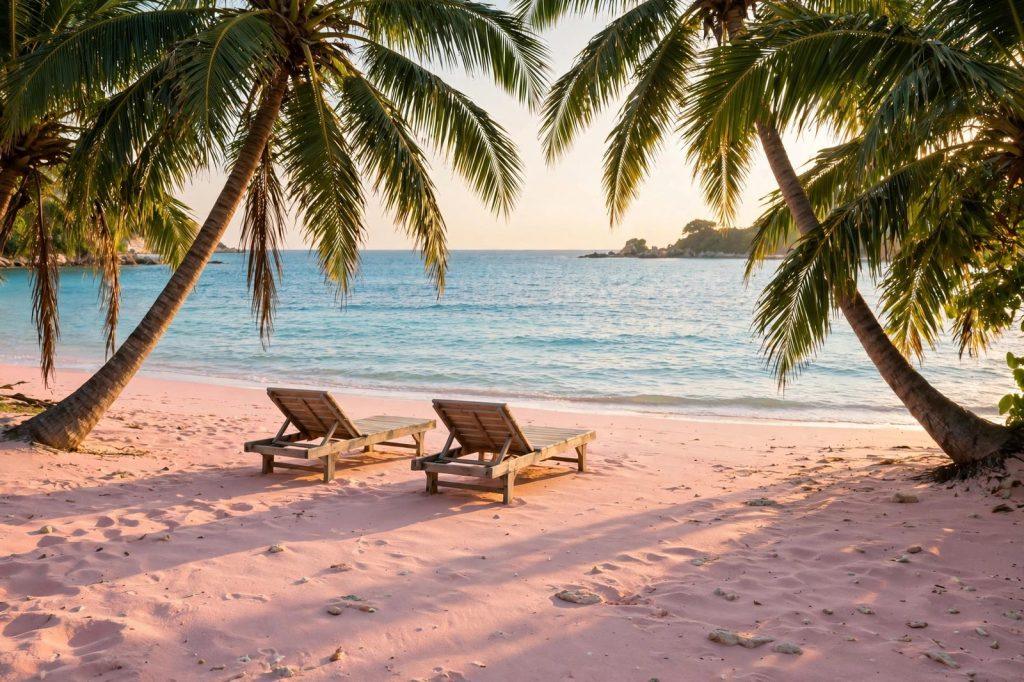
This guide works best if you’re planning a trip to Harbour Island specifically. It won’t help much if you’re island-hopping across the Bahamas — that’s a different kind of planning.
Why the Sand Is Actually Pink
Pink Sands Beach runs about 3 miles along the east coast of Harbour Island in the Bahamas. Its blush comes from foraminifera — tiny marine organisms with pink-red shells that break down and mix with white coral sand. The color is most vivid in wet sand.
Don’t expect neon pink. Up close it’s a soft rose tint — white sand flecked with tiny pink grains. Here’s the thing: the famous photos are real, but they’re taken at the right hour. Which brings us to timing.
Getting to Harbour Island
To get to Pink Sands Beach, follow these steps: 1. Fly into North Eleuthera Airport (ELH), usually via Nassau or Florida. 2. Take a taxi to the dock — it’s a short ride. 3. Catch the water taxi across to Harbour Island and Dunmore Town.
The journey has a pleasant island-hop feel to it. One practical note: the last water taxi doesn’t run all night, so don’t land after dark unless your hotel arranges pickup. Or maybe I should say it this way: plan your arrival like the island closes at sunset, because in practical terms it nearly does.
When the Pink Looks Pinkest
The pink is most vivid in the first two hours after sunrise and again near sunset, when low light hits wet sand. According to the Harbour Island visitor guide, midday sun tends to wash the color out. For the calendar: December to April is the dry season, and June to November is hurricane season.
Most people assume any sunny day will do. The light says otherwise — a cloudy noon can look gray-pink while a clear dawn looks electric. I’ve seen travel forums argue about whether the beach is “really pink”; my read is that both sides went at different hours.
Getting Around the Island
Walking vs golf cart: the island is small and Dunmore Town is walkable, so your feet cover the essentials. A golf cart (around $50 a day) earns its keep if you’re hopping between beaches. The key difference is range — on foot you get one beach well; with a cart you get the whole island.
Look — if you’re only here for the beach itself, skip the cart. If you want Dunmore Town’s pastel streets and the far beaches in one day, rent it.
Ideas to Try
1. Start With a Clean Horizon
Check the horizon before pressing the shutter. A level line immediately makes a beach landscape look more polished.
2. Include a Small Human Figure
A person walking near the shoreline adds scale and helps viewers understand the size of the scene. Keep the person small so the environment remains the subject. The Whitehaven Beach Australia guide can help when you are comparing destinations rather than one beach.
3. Photograph Wet Sand for Contrast
Damp sand can reflect sky color and create a darker layer beside the lighter dry beach. Shoot both sections to give yourself more variety.
4. Pack One Neutral Cover-Up
A cream or light-gray cover-up works in photos and is useful away from the water. Choose fabric that dries easily and moves comfortably in coastal wind.
5. Keep Sunglasses and Phone in One Pouch
A single secure pouch reduces the number of loose items you have to manage. It also keeps sand away from small electronics.
6. Use Natural Shade for Portraits
Bright beach sun can create harsh shadows. Step into open shade near a safe structure or use the softer edges of the day for portraits.
7. Shoot Shell and Texture Details Responsibly
Look for texture without collecting anything. Close-ups of patterns, small ripples and wet footprints add depth to a travel gallery.
8. Check Local Rules Before You Arrive
Rules about access, beach equipment and taking natural material vary. Confirm the local guidance rather than relying on another destination’s rules.
9. Plan for Wind on the Shore
Secure hats and loose fabrics, especially near open water. A simple elastic strap can save a favorite hat from becoming a chase scene.
10. Leave One Morning Unscheduled
A flexible morning gives you room to return to the beach if conditions are especially beautiful. It also makes the trip less rushed.
11. Carry Enough Water
Walking, sun and photography can stretch a short visit into hours. Bring adequate drinking water and follow local refill guidance.
12. Make a Minimal Editing Plan
Keep the color close to what you actually saw. Light contrast adjustments are fine; heavy saturation can turn subtle sand tones into something misleading.
13. Store Wet Swimwear Separately
A waterproof pouch prevents damp clothing from soaking the rest of your travel bag.
14. Take One Wide Frame and One Detail Frame
This simple pair covers most beach stories: one image for place, one for texture. You don’t need dozens of nearly identical shots.
15. Finish With a Screen-Free Walk
Once you have your photos, give yourself ten minutes to look at the shoreline without a camera. It sounds small, but it changes how the trip feels.
How to Choose the Right Ideas
A useful way to plan the day is to give every phase a different purpose: arrive and scout, photograph while the light is favorable, then put the camera away and enjoy the water or shoreline. This stops the visit from becoming an endless search for another almost-identical shot.
If the sand looks less colorful than the image that inspired you, don’t assume the trip has failed. Light, weather and viewing angle matter. Natural landscapes change, and the real place often feels richer than a single highly edited photograph suggests.
Frequently Asked Questions
Where exactly is Pink Sands Beach?
On the east coast of Harbour Island in the Bahamas — about 3 miles of pink-tinted sand. You reach the island by flying to North Eleuthera, then taking a short water taxi.
Why is the sand pink?
Tiny marine organisms called foraminifera have pink-red shells. When they break down, the fragments mix with white coral sand — most visible in wet sand near the waterline.
What time of day looks best for photos?
The first two hours after sunrise, or near sunset. Low light on wet sand brings out the pink; midday sun washes it out.
Can I take pink sand home?
Please don’t. Locals strongly discourage it — the foraminifera mix that creates the color can’t be easily replenished, and every handful taken dulls the beach for the next visitor.
What’s the best month to visit?
December to April, the dry season. You’ll get sun and calm seas. June to November is hurricane season — cheaper, but riskier.
Should I edit the color of pink sand?
Light tonal adjustments are fine, but avoid heavy saturation that makes the landscape look unlike what visitors will actually see.
A Practical Next Step
A pink sands beach is a strong subject because you don’t need to overproduce it. Keep your palette quiet, your camera kit compact and your schedule flexible. For another destination-focused beach guide, see Whitehaven Beach Australia or beach Greece.


