
13 Home Office Ideas for Women That Feel Personal, Not Corporate
The most common request for a home office is some version of “I don’t want it to look like a cubicle.” Fair. A home office should function like one but feel like the rest of your house. These 13 home office ideas for women cover small spaces, shared spaces, and everything in between, with real details you can actually use instead of just a mood board.
1. The Floating Corner Nook
If you’ve got a dead corner — the awkward gap between a window and a wall — a floating desk (mounted, no legs) turns it into real square footage. Go with a depth of 20 inches or less so it doesn’t eat the walking path, and add a slim wall shelf above instead of a bulky hutch. This works well for studio apartments and anyone who wants the desk to visually disappear when they’re not using it.
2. Blush, Brass, and a Little Bit of Marble
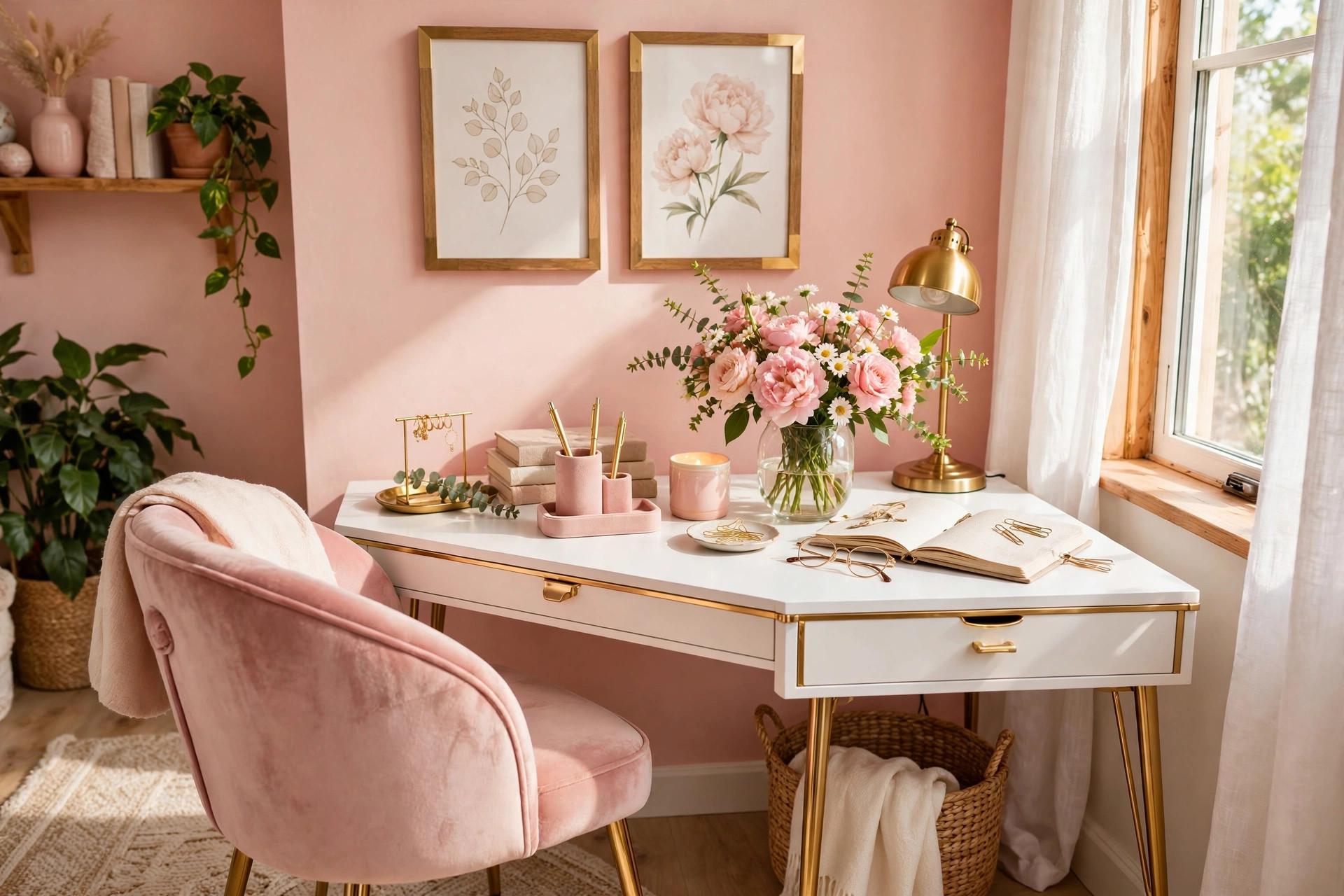
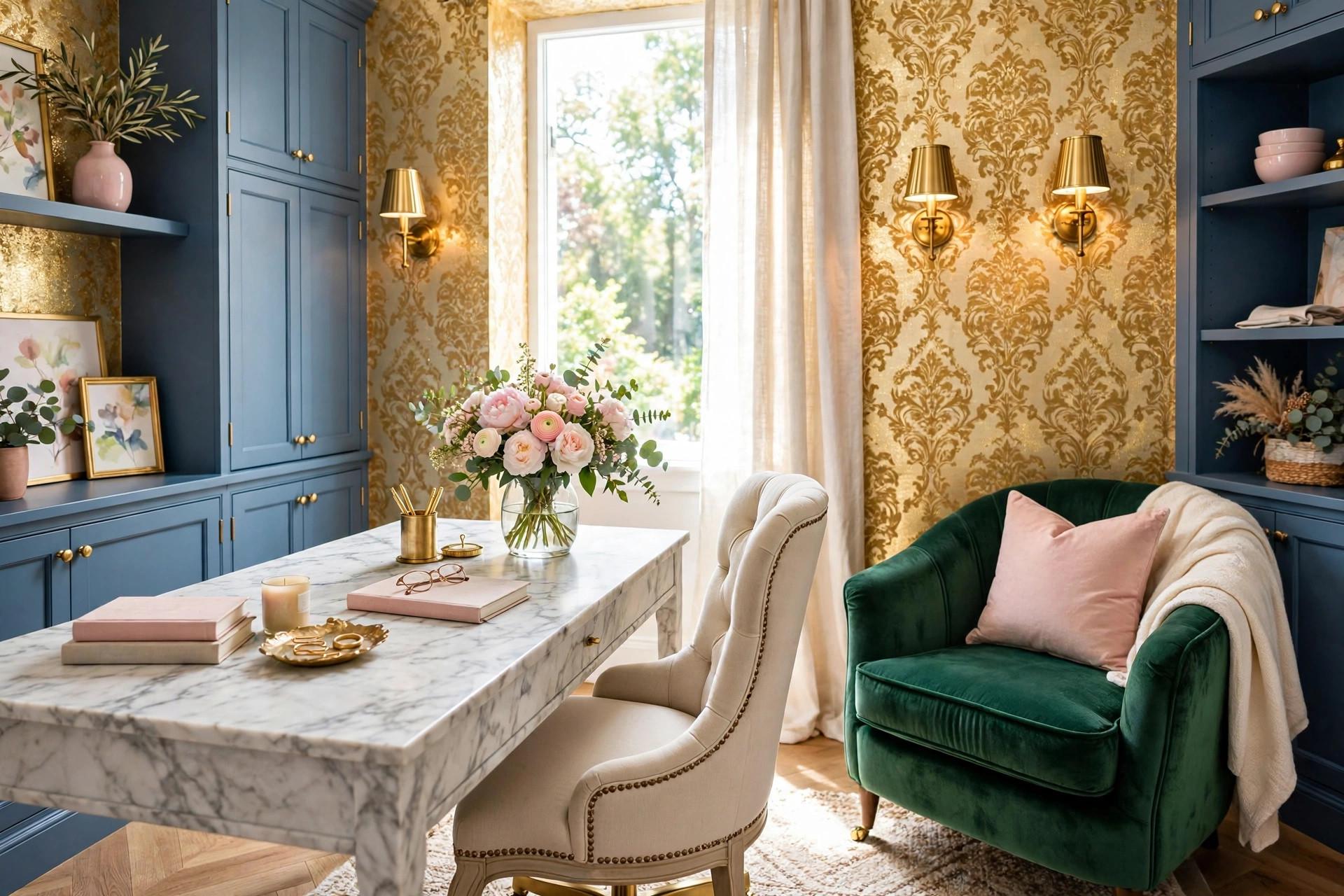
Pairing a blush or dusty-rose accent wall with brass drawer pulls and a marble-look desktop (real marble is heavy and pricey, but a laminate or contact-paper version does the job) gives a soft, put-together look without going full pastel. Keep the rest of the palette neutral so the color doesn’t fight with your monitor and cords. It suits someone who wants “feminine” without it reading as fussy.
3. The Guest Room Dual-Purpose Setup
Most people don’t have a spare room to dedicate entirely to work — they’ve got a guest room that needs to earn its keep two ways. A daybed against one wall (instead of a full bed) frees up floor space for a proper desk, and a slim console table can double as both a desk and a spot to set a guest’s suitcase when someone visits. This is the one I recommend most for people renovating a “flex room.”
4. The Cloffice (Closet Office)
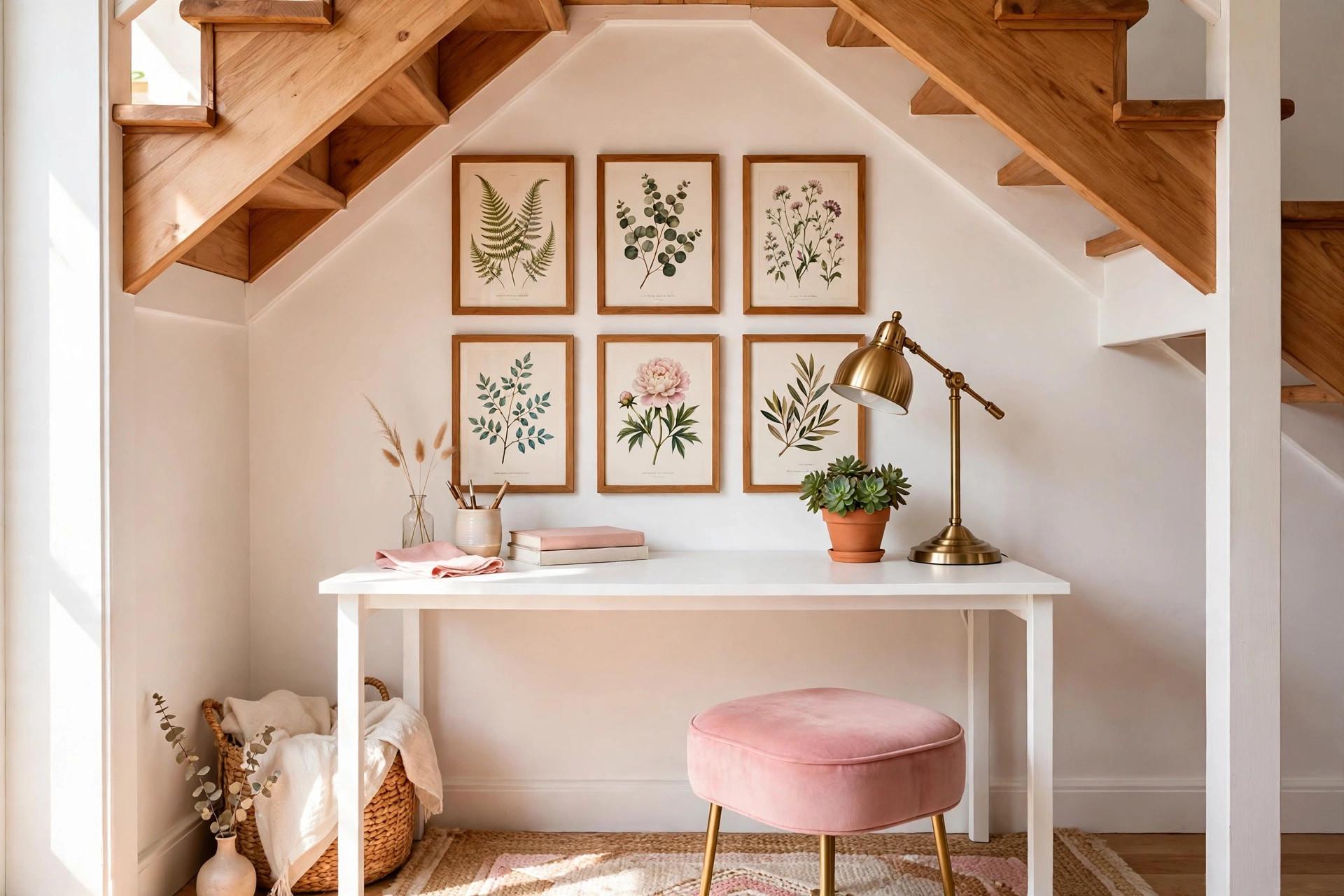
Turning an unused closet into a mini office is one of the most space-efficient home office ideas for women in apartments with no extra room at all. Pull the doors off or swap them for a curtain, add a short desk built to the closet’s exact width, and mount a power strip inside so cords don’t dangle. It’s not for everyone — you’ll want good closet lighting, since most closets aren’t built with that in mind — but for a one-person, screens-off-at-5pm setup, it’s hard to beat.
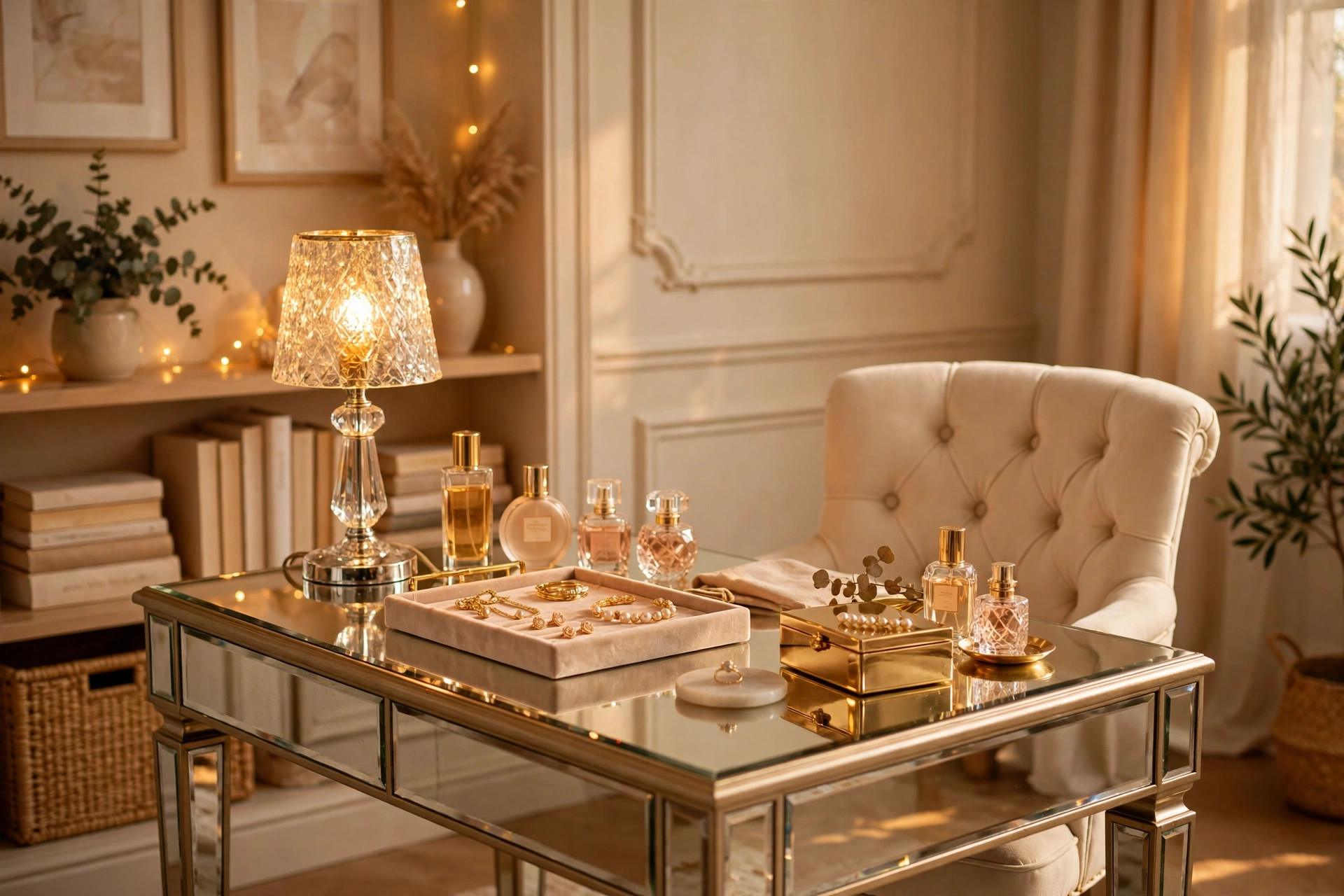
5. Boho Rattan and a Wall of Plants
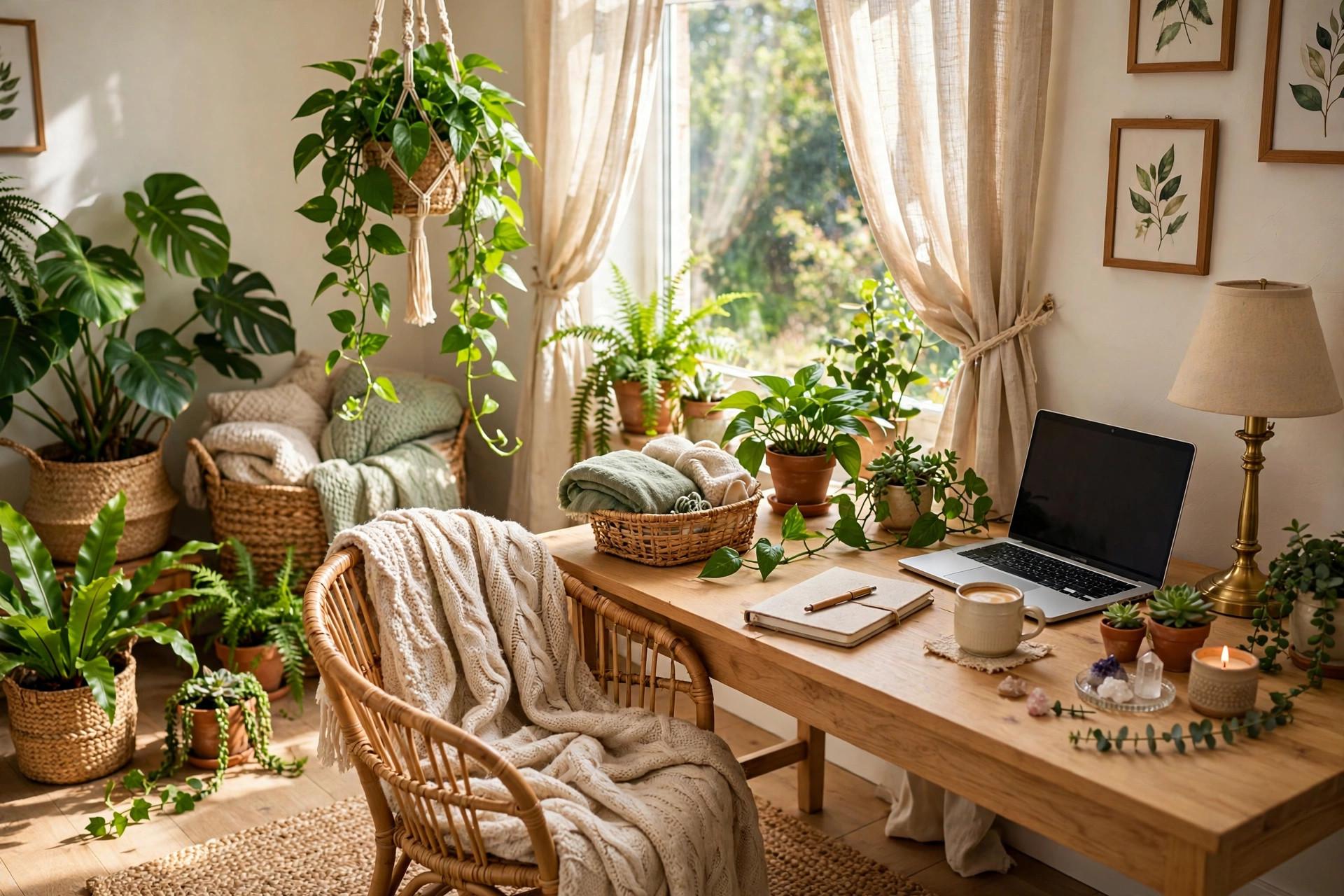
A rattan chair, a woven pendant light, and two or three plants at different heights (a tall one on the floor, a trailing one on a shelf) make a workspace feel alive instead of sterile. Real plants need actual light to survive near a desk, so if your space is dim, use a couple of realistic faux ones instead — nothing kills the vibe faster than a dead pothos next to your keyboard.
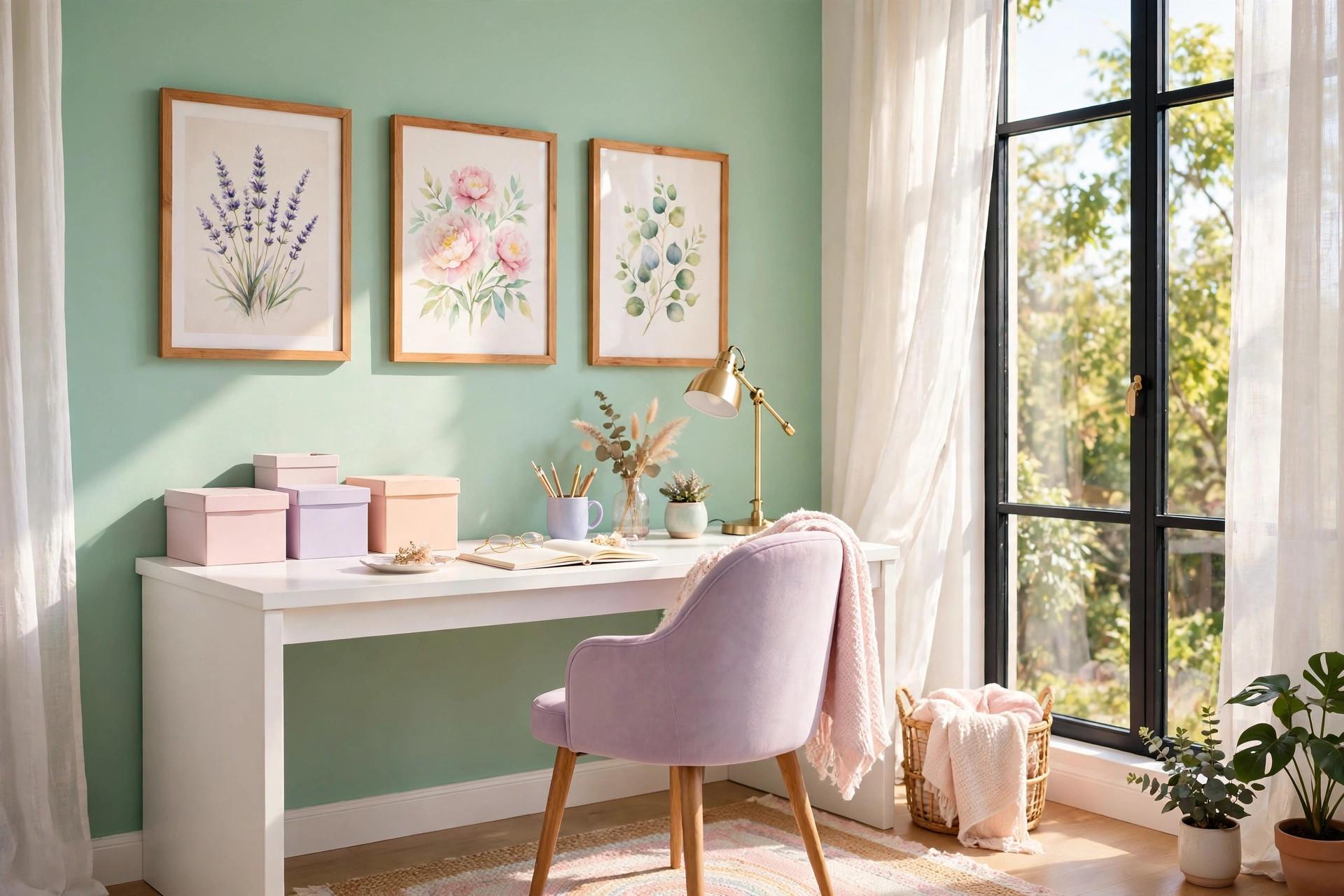
6. The Window Seat Desk
If you’re lucky enough to have a bay window or a deep sill, building or buying a bench-height desk that runs along it gives you natural light on both sides of your monitor, which cuts down on glare compared to a window directly behind or in front of your screen. Add a slim cushion and you’ve also got a reading spot for the evenings. Best for people who spend long stretches on video calls and want good light without a ring light.
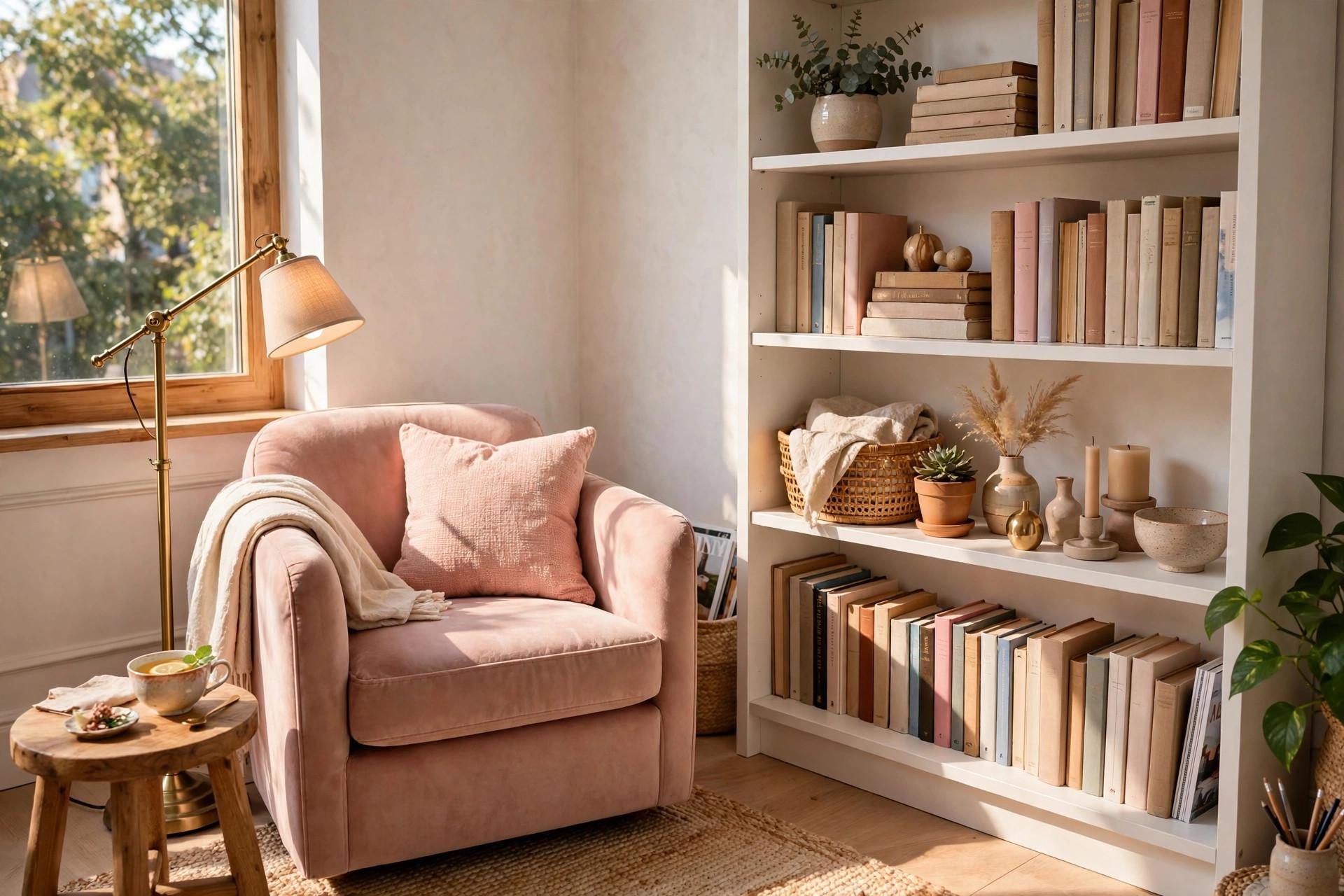
7. The Moody Jewel-Tone Call Background
Emerald green or deep navy walls behind your desk read as intentional on video calls, not distracting, the way a busy bookshelf or blank white wall sometimes can. Pair the dark wall with warm lighting — a small lamp, not just overhead light — so your face doesn’t wash out on camera. This one’s for anyone whose job involves a lot of Zoom, and who’s tired of being asked “is that a filter?”
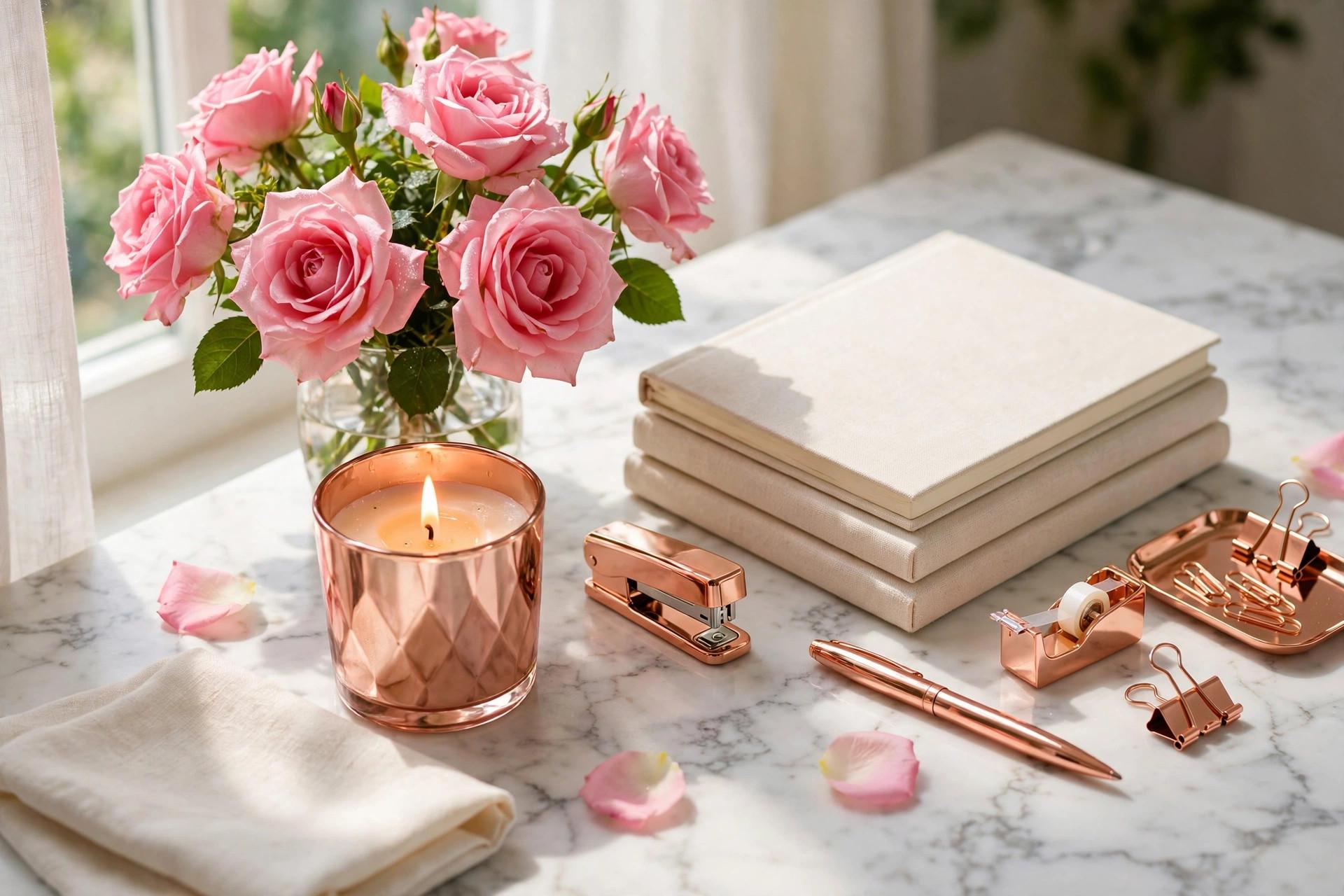
8. A Vintage Desk With Modern Guts
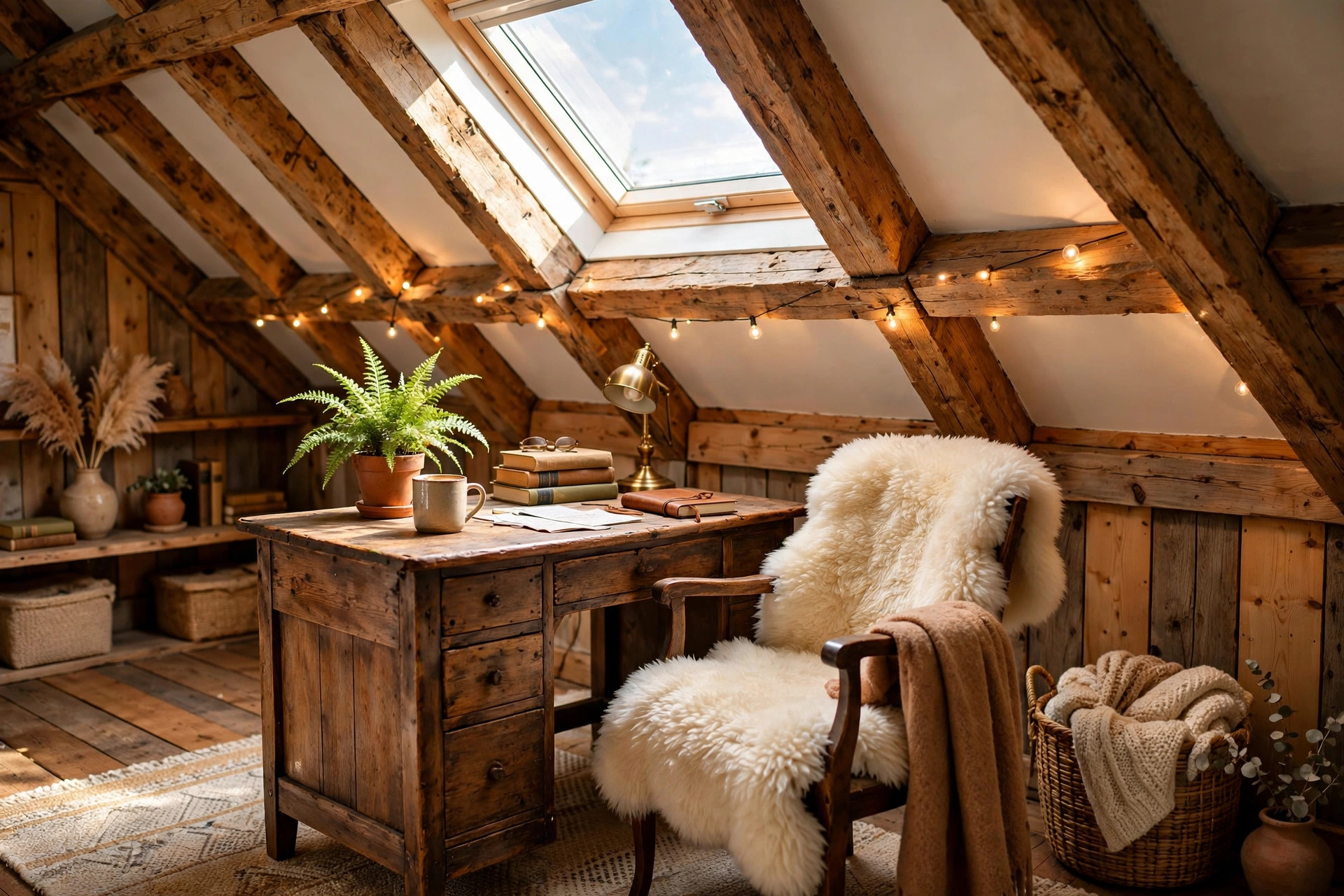
An estate-sale or thrifted wood desk (look for solid wood, not veneer, and check the drawers slide smoothly) gives a room character that flat-pack furniture usually can’t. Drop in a cable tray underneath so your laptop charger and monitor cords don’t ruin the look, and swap the hardware if it’s tarnished. It suits someone furnishing slowly and who’d rather spend on one good piece than five forgettable ones.
9. The Pegboard Wall for Visual Work
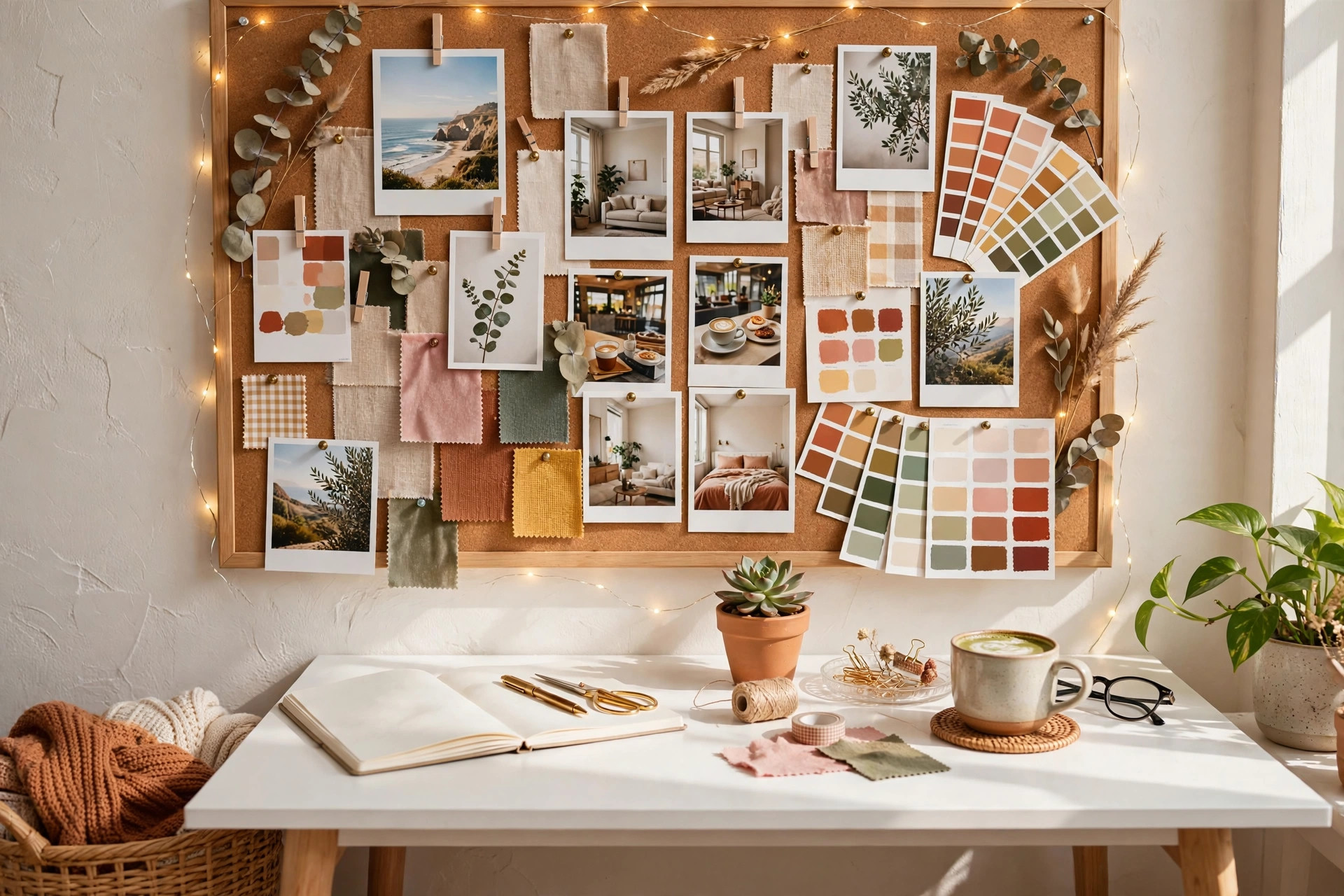
For anyone in a creative field — design, planning, content — a pegboard mounted behind or beside the desk holds swatches, sticky notes, and small shelves without a single thumbtack hole. Paint it to match the wall so it blends in when it’s not full, or leave it raw pine for contrast. It’s more useful than a corkboard because you can rearrange the hooks as projects change.
10. The Calm Scandinavian Setup
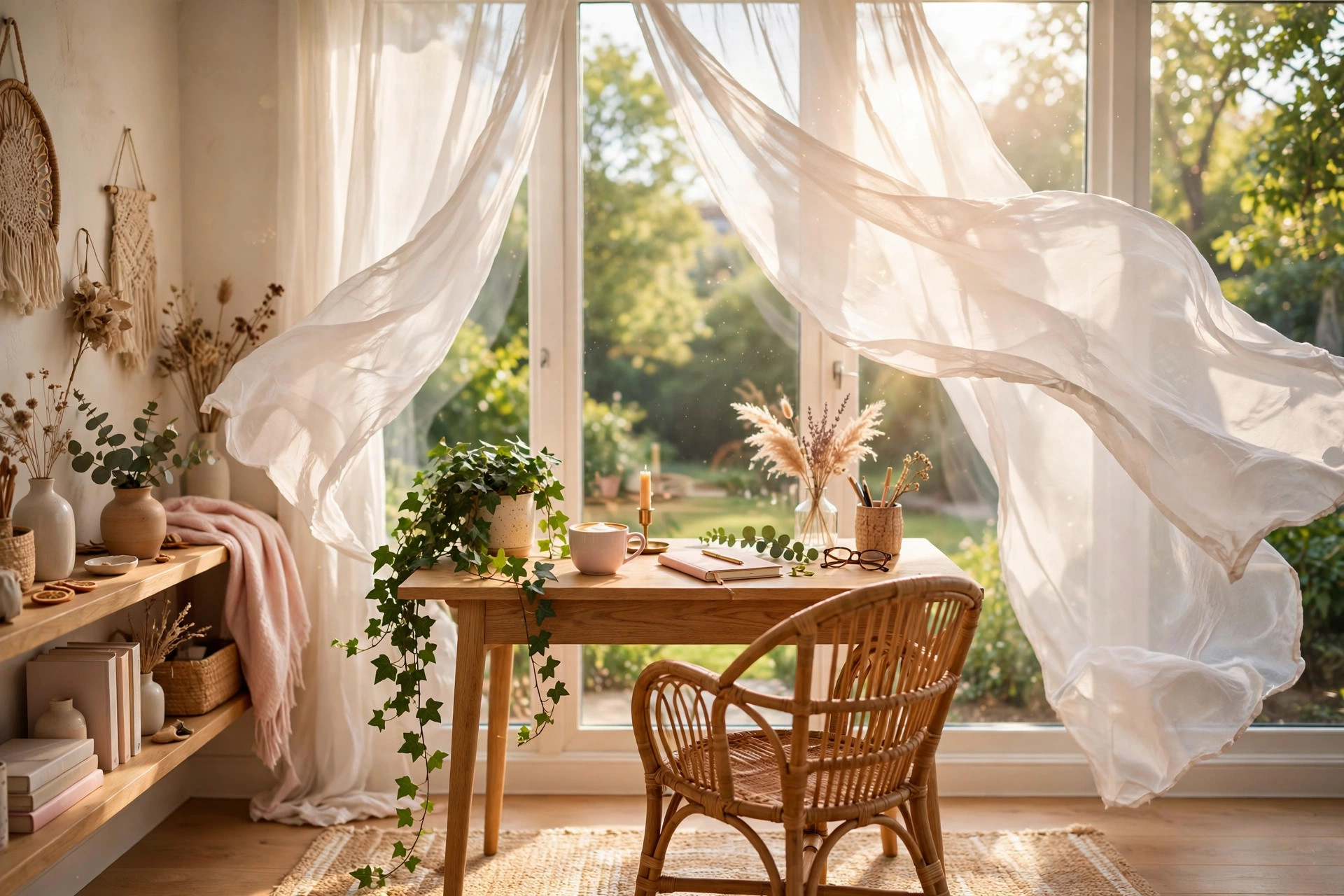
White or light oak desk, one neutral rug, minimal decor — this look works because it removes visual noise, which matters if your actual work is already visually busy (spreadsheets, code, design files). Add exactly one warm element, like a wood-and-brass lamp, so it doesn’t feel cold. Good fit for someone who gets overstimulated by clutter by the afternoon.
11. A Statement Wallpaper Moment
Wallpapering just the wall behind your desk — not the whole room — is one of the lowest-effort, highest-impact home office ideas for women who rent and can’t paint. Peel-and-stick options in a bold print or a subtle grasscloth texture both photograph well for calls, and you can remove it without a security deposit fight. Skip anything with a busy repeat pattern if you’ll be on camera often; it can flicker oddly on lower-quality webcams.
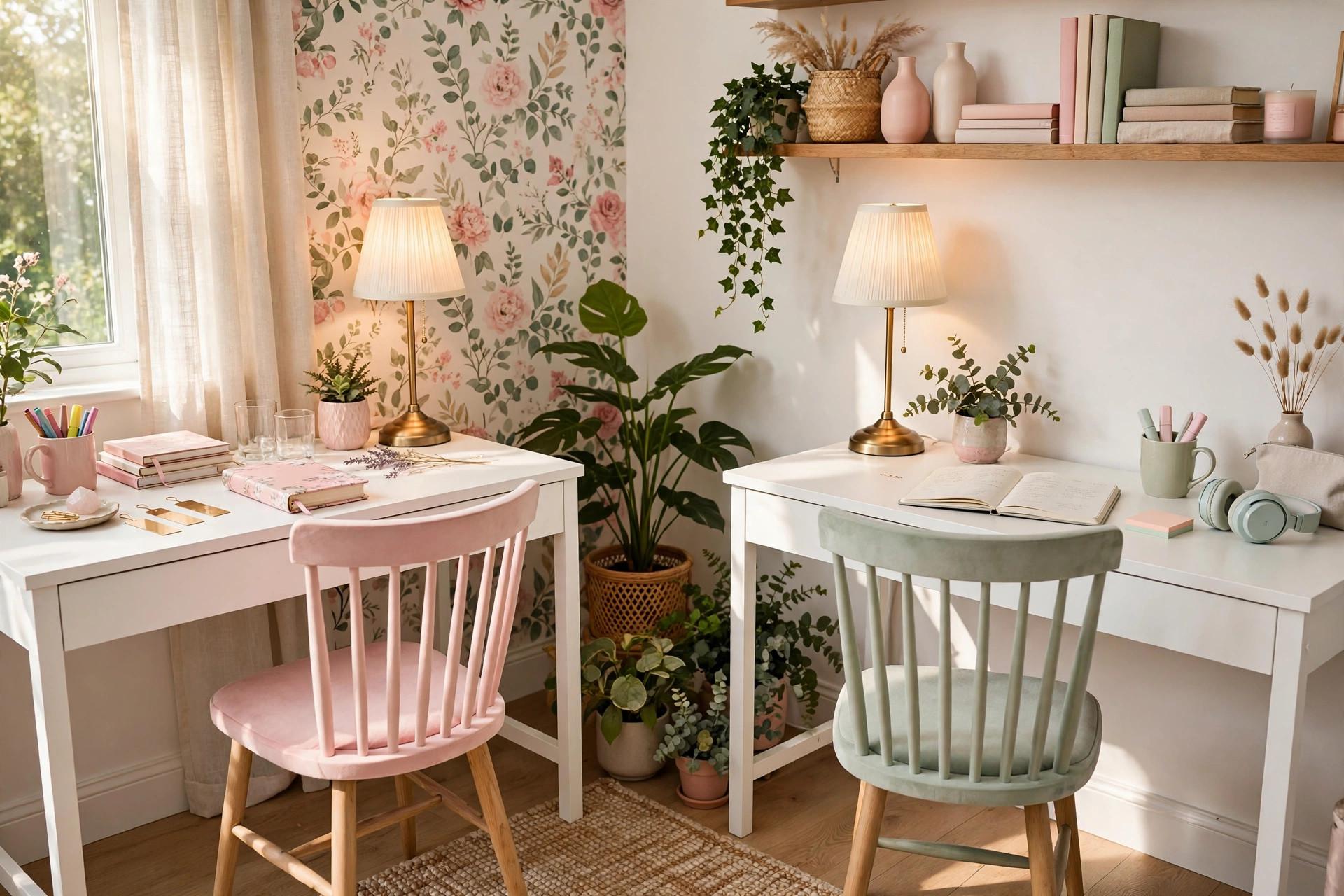
12. The Shared “His and Hers” Layout
For couples working from home at the same time, two desks facing opposite walls (rather than facing each other) cuts down on the number of times you catch each other’s eye mid-call. A shared bookshelf or a plant stand in the middle acts as a soft divider without a full room split. Facing each other looks cute in photos but is miserable for actual focus — a side-by-side or back-to-back arrangement works better when two people share a room.
13. The Convertible Vanity-Desk
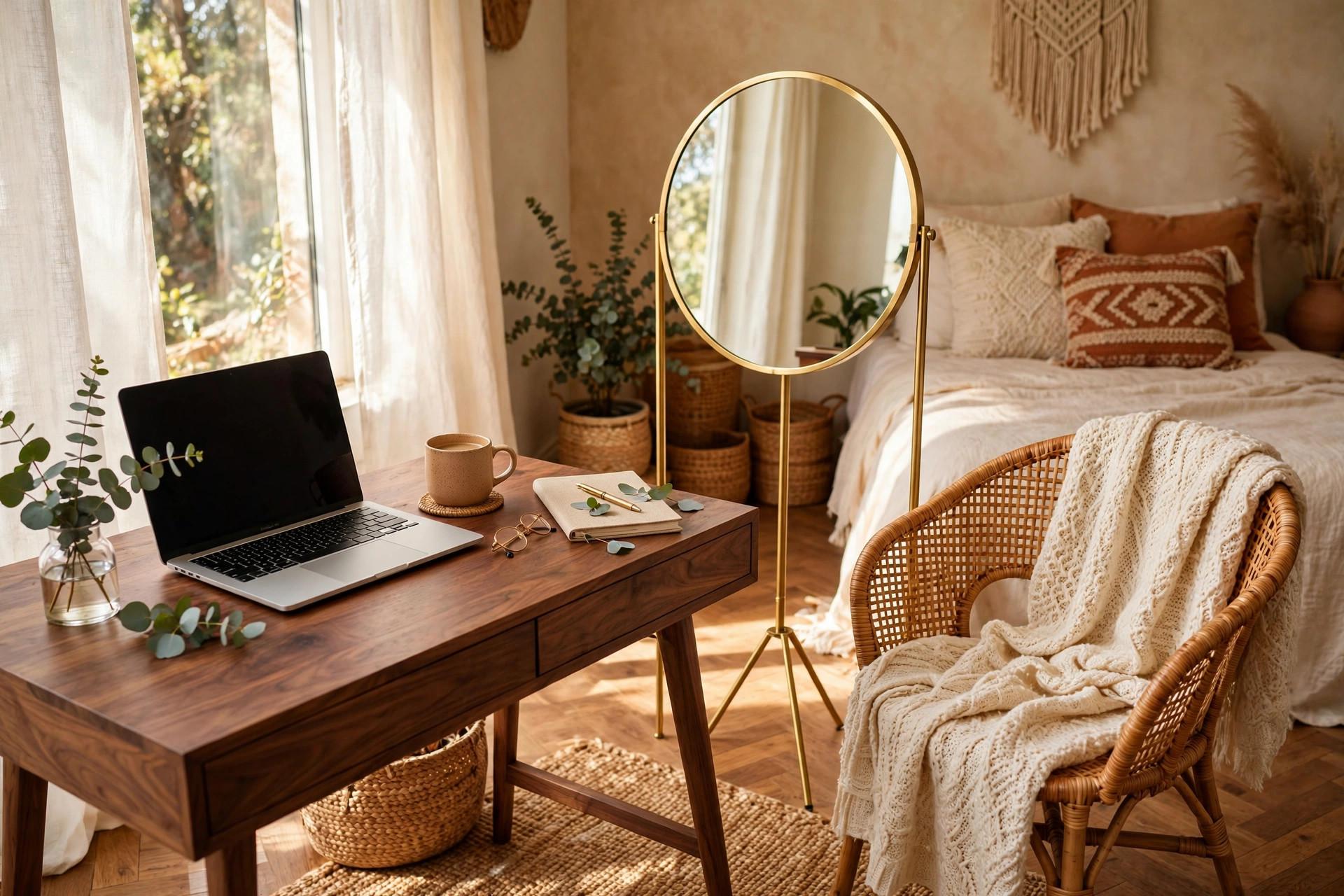
In a studio or a bedroom with no office space at all, a vanity desk with a mirror that flips down or slides away lets one surface do double duty — makeup and morning routine, then work. Look for one with at least two drawers so cosmetics and office supplies don’t end up in the same pile. It’s a smart pick for anyone in a small apartment who refuses to work from the couch.
Where to Start
If you’re short on space, start with the floating corner nook or the cloffice — both solve the “I don’t have a room for this” problem first. If space isn’t the issue and you’re just tired of how it looks, the wallpaper accent wall or the jewel-tone paint idea will change the feel of the room in a weekend. Pick the one that solves your actual problem, not just the prettiest photo.
FAQ
What’s the best desk size for a small home office? For most small spaces, a desk between 40 and 48 inches wide gives you enough room for a laptop and monitor without overwhelming the room. Depth matters more than people think — anything over 24 inches deep starts to eat into walking space in a tight room.
How do I make my home office look less corporate? Swap out generic office furniture pieces one at a time for items that already match your home’s style — a vintage desk instead of a flat-pack one, a real lamp instead of overhead lighting, a rug under the chair. It usually takes replacing two or three “office store” items before a room stops reading as a cubicle.
Can I turn a closet into a home office? Yes, and it’s a great option in small apartments, though you’ll want to plan for lighting and ventilation since most closets aren’t built with either in mind. A short desk built to the closet’s exact width and a plug-in light strip usually solve both issues.
What colors work best for a home office, especially for video calls? Deeper, muted tones like navy, emerald, or terracotta tend to read better on camera than stark white, which can wash out your face and cause glare. Whatever color you choose, pair it with a warm lamp near your face rather than relying only on overhead light.
How much does it cost to set up a stylish home office? Costs vary a lot depending on whether you’re starting from scratch or reworking furniture you already own — a paint-and-accessories refresh can often be done for a few hundred dollars, while a full furniture overhaul typically runs higher. Thrifted or vintage furniture is usually the biggest cost-saver if you’re willing to look for it.