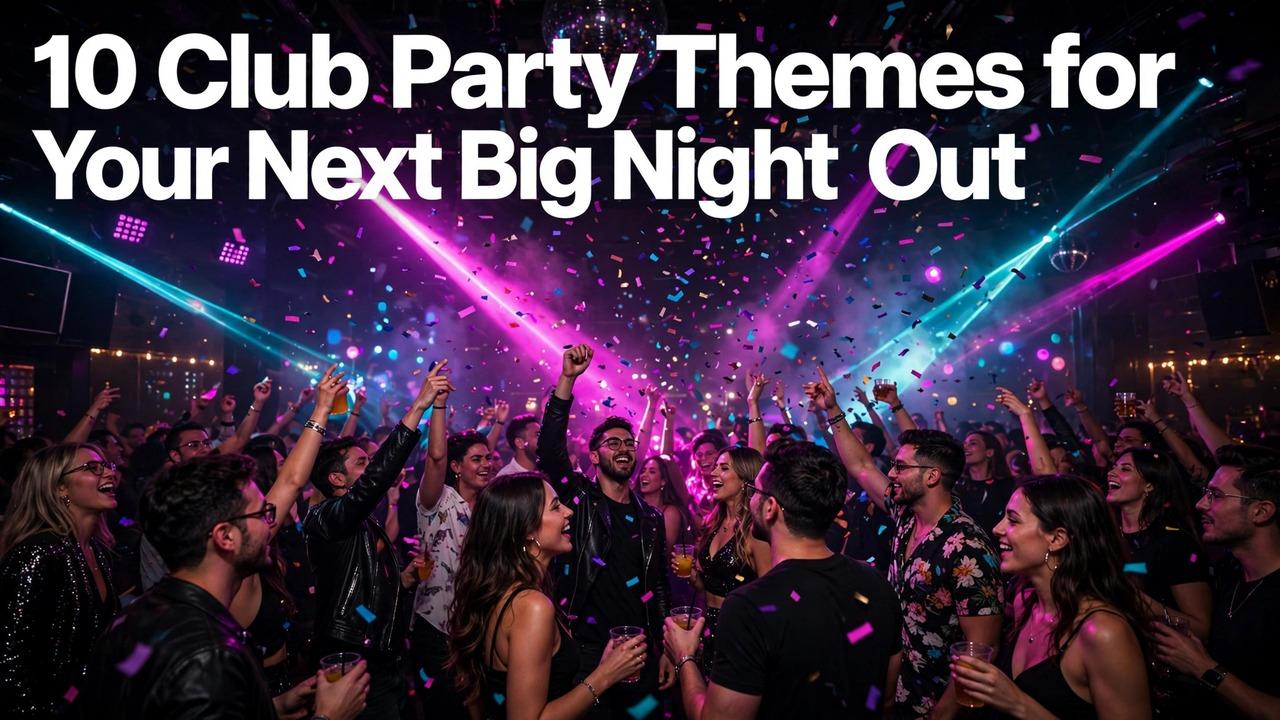
10 Club Party Themes for Your Next Big Night Out
10 Club Party Themes for Your Next Big Night Out
A theme is the difference between a party and a night people talk about for months. Without one, you are making a hundred small decisions in a vacuum — what color the napkins should be, what the playlist should sound like, what anyone is supposed to wear. With one, every choice answers itself.
Club-style parties are where themes pay off the hardest. A dark room, a dance floor, and a dress code do more work than a venue three times the size. The ten themes below are built for exactly that setting: each one comes with a clear visual identity, lighting that flatters it, music that fits it, and a dress code your guests can mostly pull together from their own closets.
Pick the one that matches your crowd’s energy — not the one with the prettiest inspiration board. A low-key group will have more fun at a candlelit speakeasy than under a laser grid, and that is the whole point.
1. Neon Cyberpunk City
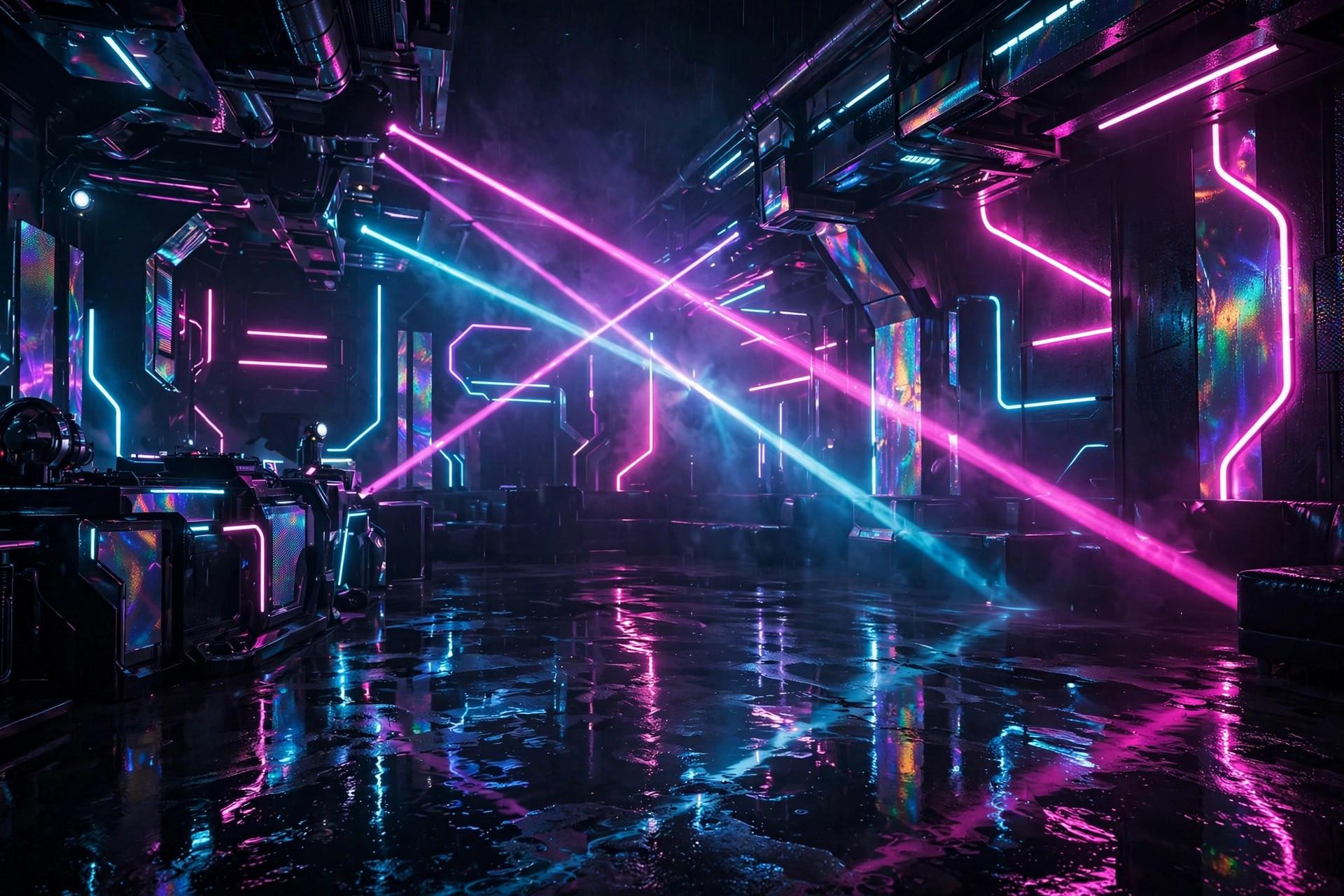
Think rain-slicked future metropolis: black surfaces, electric color, and technology as decoration. This theme works in almost any room because darkness hides everything you don’t want guests to see, and neon hides the rest.
For decor, hang black plastic sheeting or dark fabric over the walls, then layer on neon tube signs with single words — DANCE, OPEN, MIDNIGHT. Holographic table runners catch the light for almost no money, and exposed cables or conduit along the baseboards read as intentional set design. A cheap laser-grid projector aimed across the dance floor is the single highest-impact purchase here.
Light the room with magenta and cyan LED wash lights crossed from opposite corners so the colors mix in the middle. Keep the playlist on synthwave and dark techno at a steady 120 BPM — it keeps feet moving without demanding anyone’s full attention. Dress code: black base layer, one metallic or neon piece, and optional extras like visors or LED accessories for whoever wants to commit.
2. Black and Gold Luxury Night
Quiet-money glamour. This is the theme for a crowd that wants to feel polished rather than wild — the room should look like it costs more than it did.
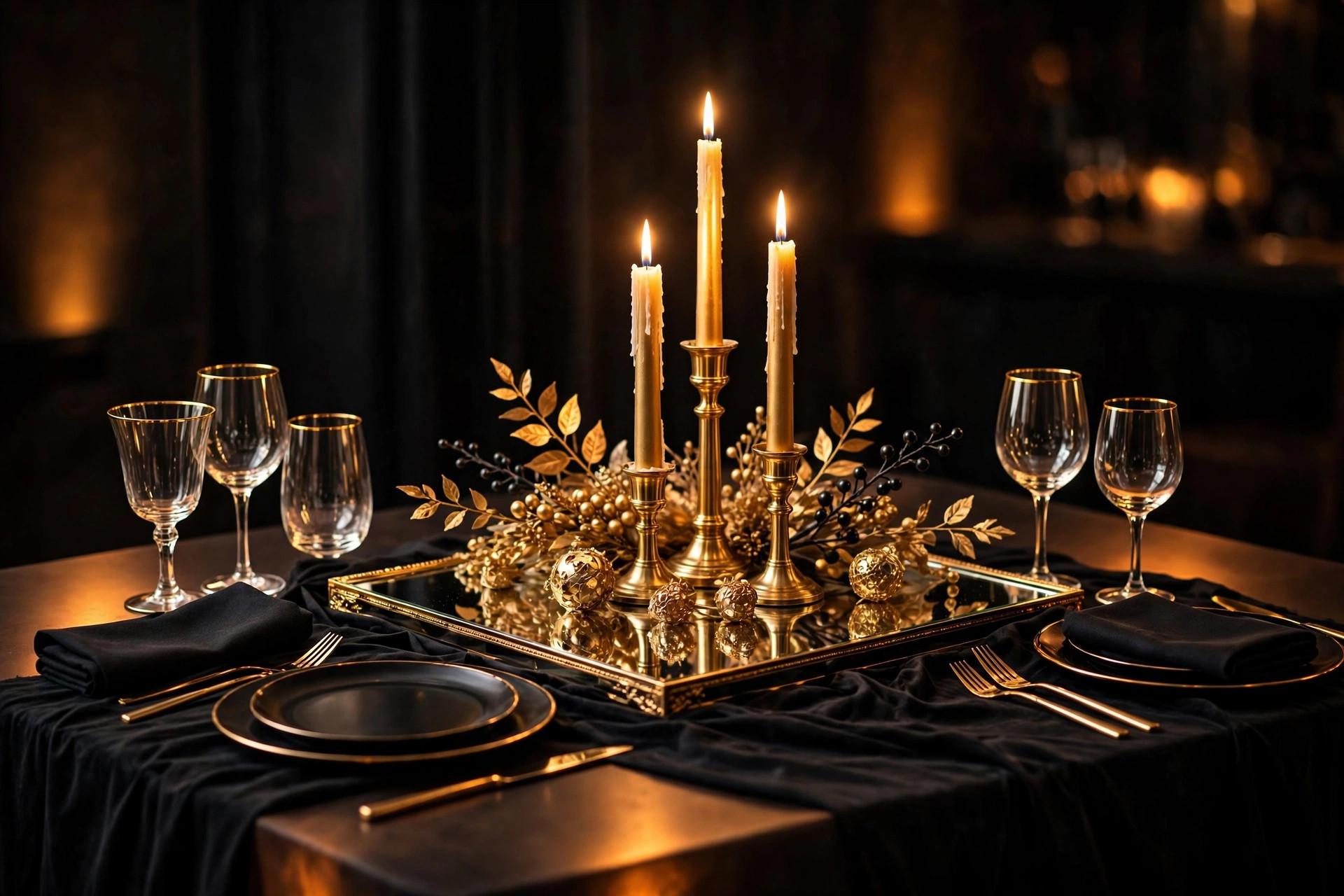
Black tablecloths are the foundation. Add gold-rimmed plastic glassware (it looks expensive and survives the night), tall LED candles in clusters of three, and mirrored trays as centerpieces to bounce the light around. Keep surfaces uncluttered; luxury reads as restraint, not abundance.
Lighting should be warm amber uplighting on the walls with small pin spots on the tables, and keep it dim overall. For music, lean on deep house and lounge remixes — nothing with a big drop before midnight. Dress code: all black, with gold jewelry or accessories doing the talking. Dark suits, cocktail dresses, no exceptions needed beyond that.
3. All-White Party
Monochrome minimalism that photographs beautifully. The entire concept rests on one trick of physics, which makes it one of the cheapest themes on this list to execute well.
Drape white fabric over everything that isn’t nailed down — furniture, tables, even wall imperfections disappear under it. Cluster white balloons at different heights, and use white carnations for flowers; they are inexpensive and look full with just a few stems. The one thing worth spending on is UV blacklight bulbs, because white cotton fluoresces under them and the whole room starts to glow.
Mix the blacklights with cool white spotlights so faces still look normal in photos. The playlist can be crowd-pleasing current dance and hip-hop, since the theme is visual rather than musical. Dress code: head-to-toe white, stated plainly on the invitation. Half the fun is watching people commit to it.
4. Celestial Galaxy Night
The night sky, brought indoors. This theme suits a dreamier, slower-burning party — less jumping, more swaying, and a room that feels bigger than it is.
Hang navy or black drapes to kill the room’s normal identity, then put a starfield projector on the ceiling — it does more work than every other decoration combined. Add hanging paper lanterns in different sizes as planets, and string silver star garlands across the dance floor at head height so they catch the light.
Keep the lighting almost entirely on the projector with deep-blue wash lights as backup; turn everything else off. The music should match the mood: dreamy house, ambient-leaning pop, slower builds. Dress code: midnight blues, black, and silver — anything that looks good under starlight. Metallic face stickers at the door are a nice touch for the hesitant.
5. Retro 70s Disco
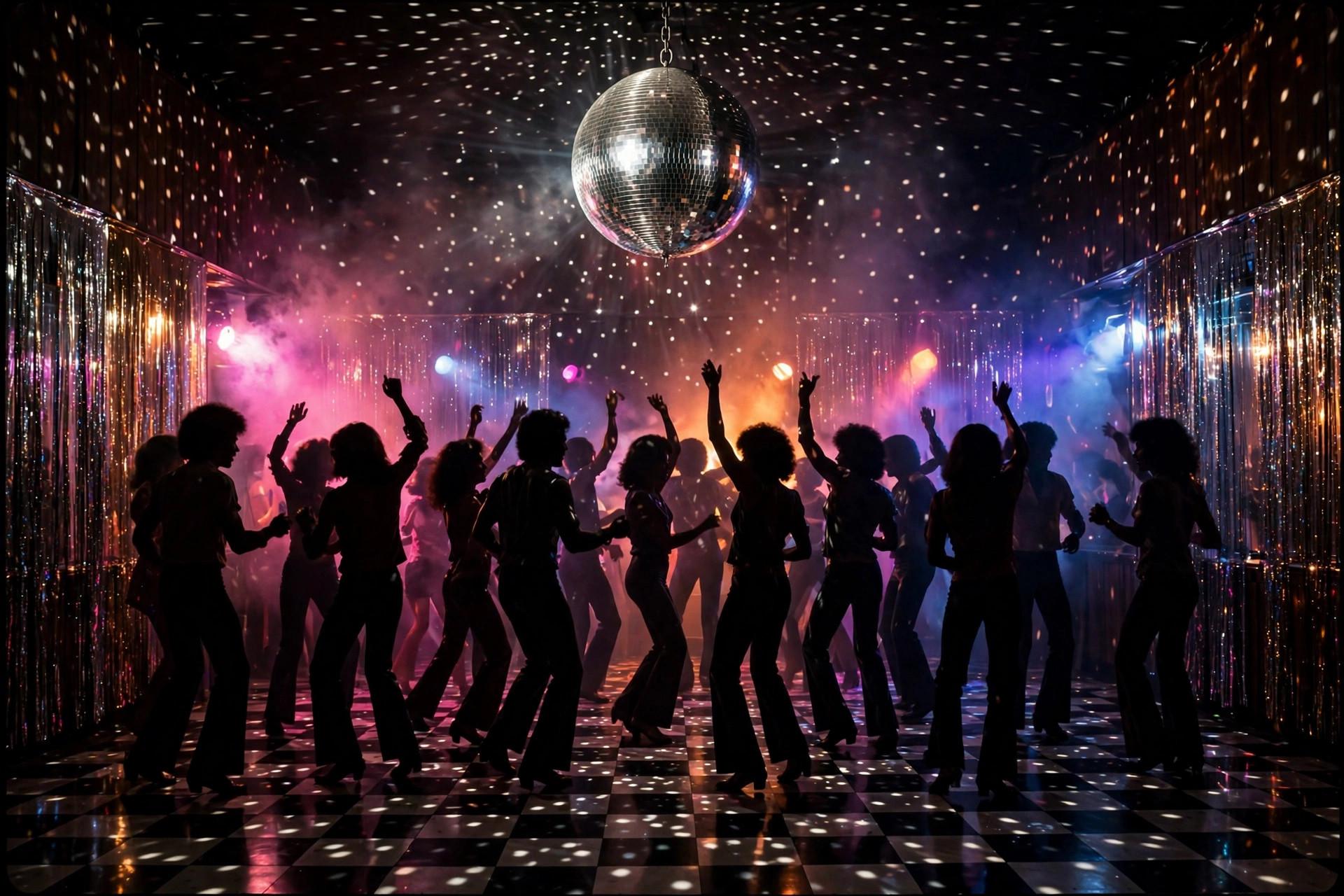
Studio 54 energy, minus the velvet rope. Disco is a forgiving theme because the iconography is so strong — one mirror ball tells guests everything they need to know.
Invest in at least one real mirror ball; the scattered light effect is hard to match with any LED imitation. Hang metallic fringe curtains in every doorway so guests walk through shimmer, and mount vinyl records on boards as wall art with a hot glue gun. If the budget stretches, stick-on LED dance floor tiles under a clear rug are a showstopper.
Aim two pin spots directly at the mirror ball and put colored gel filters over any floor lamps. Play disco and funk in roughly chronological order so the night builds instead of peaking in the first hour. Dress code: flared or wide-leg pants, something shiny on top, platform shoes, and oversized sunglasses worn after dark without apology.
6. Great Gatsby Speakeasy
A 1920s jazz club with a wink. This theme runs on secrecy and low light — the smaller and darker the room, the better it works.
Print art deco posters and put them in inexpensive frames; symmetry matters more than authenticity here. Feather and pearl centerpieces, gold fringe on the tables, and a “password” printed on the invitation that guests must give at the door. That single ritual does more for the atmosphere than any decoration.
Light with table lamps fitted with warm bulbs and LED candles scattered everywhere; keep every overhead light off. Start the music with electro-swing while people arrive, then shift to actual jazz standards later when the energy naturally dips. Dress code: flapper-style dresses or anything with fringe, suspenders and bow ties, fedoras, long pearl necklaces.
7. Tropical Neon Jungle
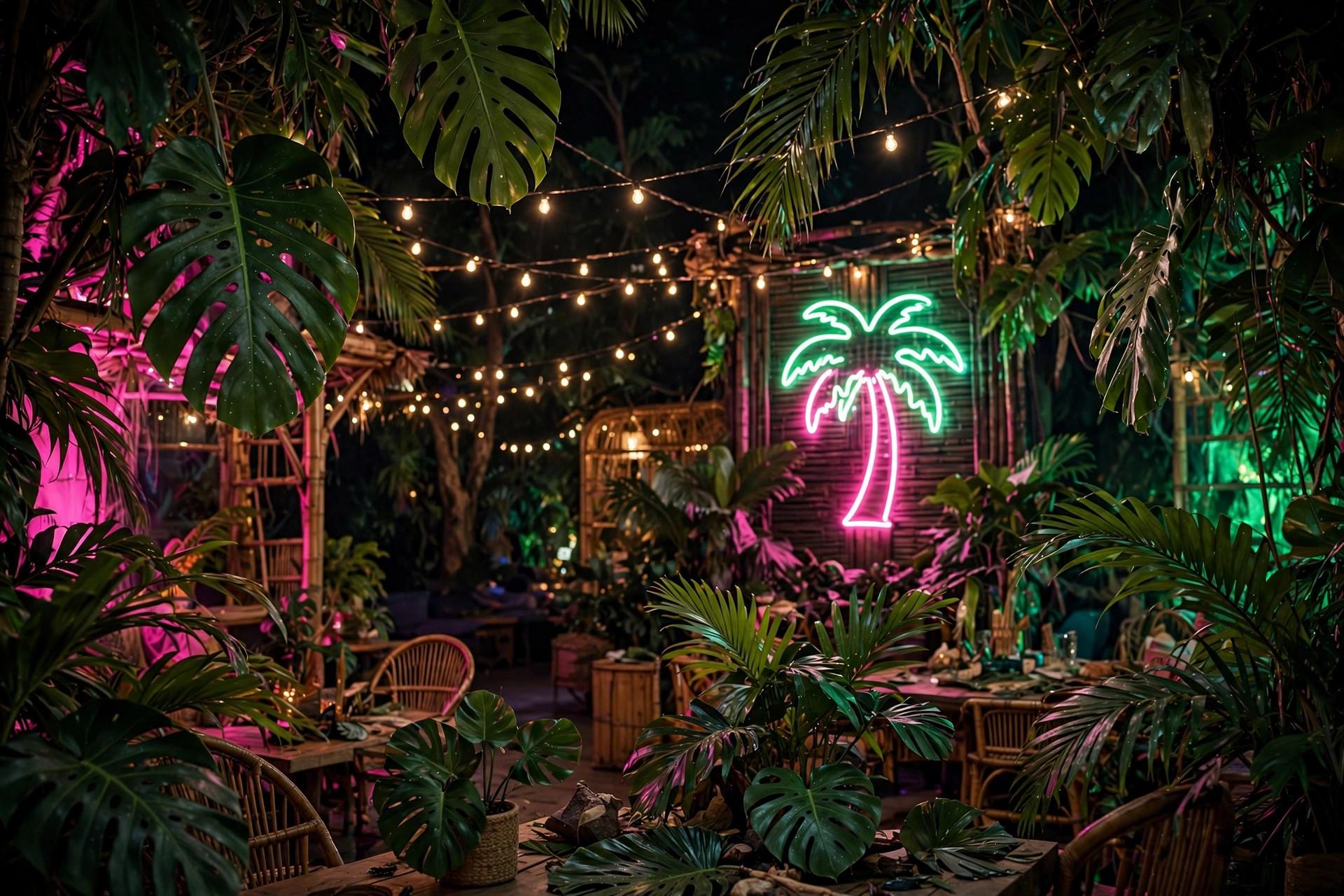
A rainforest after dark. This is the loudest theme on the list — big color, big leaves, and a playlist that doesn’t let up.
Go heavy on large monstera and palm leaves; faux is fine and nobody will inspect them in the dark. A neon sign in a palm tree or flamingo shape becomes the photo backdrop, and tiki-style LED torches (never real flame indoors) mark the edges of the dance floor. Bamboo placemats and pineapple centerpieces finish the tables.
Wash the walls in green and magenta, and hang string lights overhead like fireflies. The music should be reggaeton, dancehall, and tropical house in rotation. Dress code: floral prints, bright solids, and leis handed out at the door so nobody feels underdressed.
8. Euphoria Glitter and Glow
Glitter-drenched and makeup-forward, inspired by the show’s distinctive aesthetic. Here the guests’ faces are the main decoration, so plan accordingly.
Set up iridescent fringe backdrops for photos, and dedicate one table as a glitter and rhinestone station with a few mirrors, cosmetic glue, and good lighting. Holographic balloons and holographic table confetti tie the room together without much effort.
Use purple and pink wash lights, and put ring lights at the makeup station so the glitter actually reads on camera. The playlist fits alt-pop, hyperpop, and moody R&B. Dress code: rhinestones, face gems, sheer layers, anything reflective. Tell guests outright that the makeup is the outfit — it removes all uncertainty.
9. Masquerade Midnight Ball
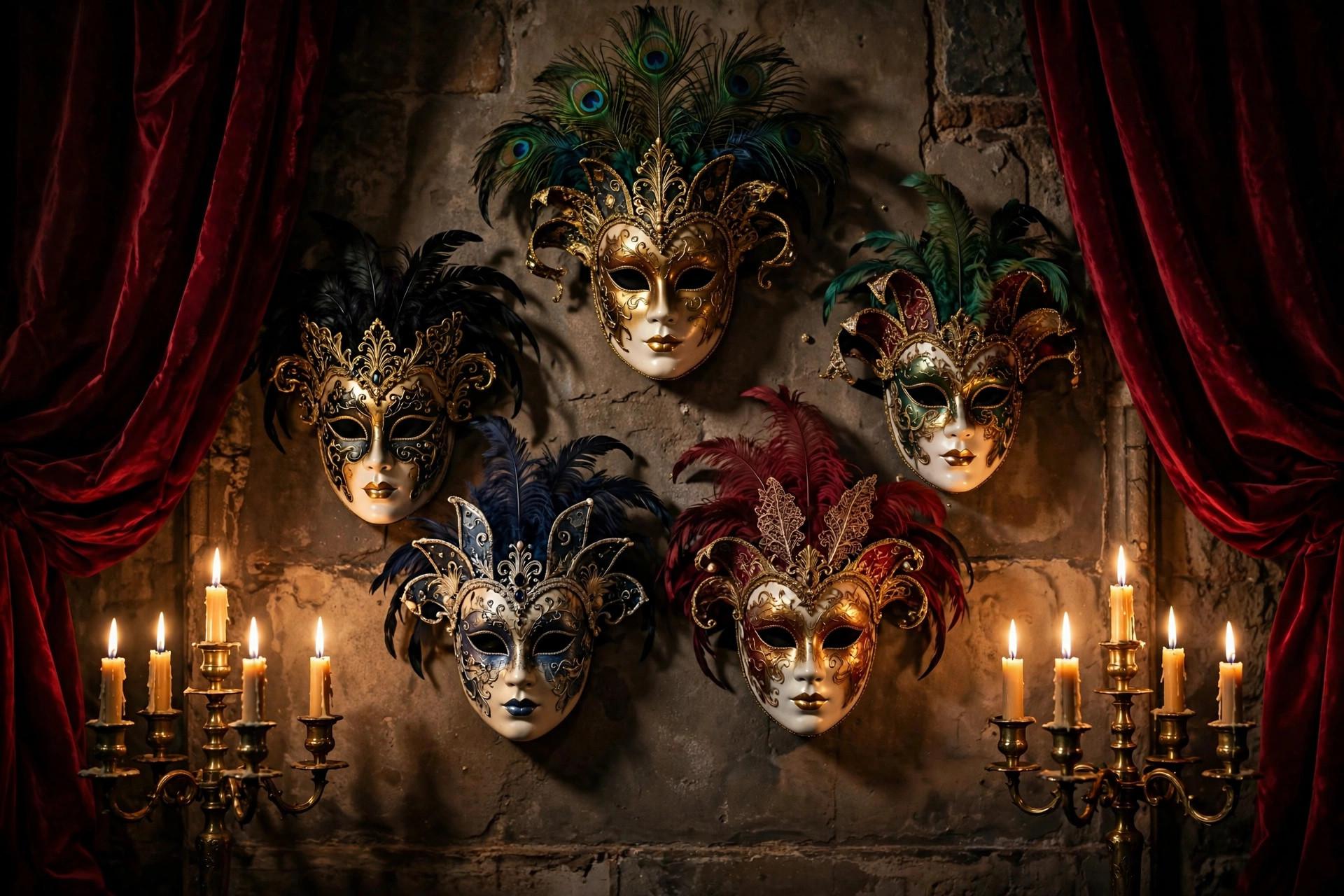
A Venetian masked ball. The masks do something no other theme accessory manages: they make every guest slightly mysterious, including the ones you have known for years.
Mount decorative masks on the walls as art, set out candelabras with LED candles, and drape velvet or velour fabric over tables and the entryway. Ornate gold frames from thrift stores, hung empty or holding black-and-white photos, add instant old-world weight to plain walls.
Light with candlelight plus deep red uplighting, and keep faces half in shadow — that is rather the point. Start with string-quartet covers of pop songs while people arrive, then move to dark waltz and cinematic remixes once the masks are on. Dress code: formal, plus a mask. Buy masks in bulk and hand them out at the door so no one opts out.
10. Y2K Futurism
The year 2000’s idea of the future: shiny, optimistic, and slightly ridiculous. This theme runs on nostalgia, which means the decor can be playful rather than polished.
Silver inflatable furniture, CDs strung as garlands, butterfly clips scattered across tables, and chunky transparent tech as props. Frosted window film on any mirrors adds to the effect. Nothing here needs to look expensive — the era itself was plastic.
Use blue and silver strobes sparingly (a little goes a long way) and put lava lamps on side tables for ambient motion. The playlist is early-2000s pop and dance, played without irony. Dress code: metallics, low-rise silhouettes, tiny sunglasses, butterfly clips in hair, frosted lip gloss for anyone fully committing.
The Short Version
A theme is a tool, not a test. The best-dressed guest and the one who showed up in jeans will remember the night for the same reason — the room felt like somewhere else for a few hours. Pick the world you want to build, commit to the lighting (it matters more than the decor), and give people a dress code they can actually follow.
Start with the lighting and the door. The first thing guests see sets the contract for the night, and everything after that is details.
Frequently Asked Questions
How far in advance should I choose a party theme?
As soon as you set the date. The theme drives the invitations, and the invitations drive dress-code compliance — guests need at least two to three weeks to plan an outfit, more if anything needs to be ordered. Lock the theme before buying a single decoration; every purchase after that should serve it.
What is the easiest club party theme on a tight budget?
The all-white party. White fabric, white balloons, and a couple of UV blacklight bulbs cost very little, and the blacklight does most of the visual work — white clothing fluoresces, so your guests become the decor. The neon cyberpunk theme is the runner-up: black plastic sheeting and one laser projector transform a room fast.
How do I get guests to actually follow the dress code?
Be specific and make it easy. “Black and gold” works better than “dress to impress,” and handing something out at the door — masks, leis, glow bracelets — means nobody is left out of the theme. Put the dress code on the invitation in plain words, and repeat it in a reminder message the week of the party.
What kind of lighting makes the biggest difference?
Wash lights — the fixtures that flood walls with color. One or two colored washes change a room’s entire mood, and they are inexpensive to rent or buy. After that, kill the overhead lights: clubs feel like clubs because the light comes from the sides and below, never from a ceiling fixture. A starfield or laser projector is the cheapest way to add movement.
Can I combine two party themes?
Yes, if they share a color palette or an era — a black-and-gold masquerade works, and so does a neon jungle. What doesn’t work is mashing together themes with nothing in common, because then the decor, lighting, and dress code all pull in different directions and the room reads as cluttered. Pick one theme as the lead and let the second show up in small accents only.
As soon as you set the date. The theme drives the invitations, and the invitations drive dress-code compliance — guests need at least two to three weeks to plan an outfit, more if anything needs to be ordered. Lock the theme before buying a single decoration; every purchase after that should serve it.
The all-white party. White fabric, white balloons, and a couple of UV blacklight bulbs cost very little, and the blacklight does most of the visual work — white clothing fluoresces, so your guests become the decor. The neon cyberpunk theme is the runner-up: black plastic sheeting and one laser projector transform a room fast.
Be specific and make it easy. “Black and gold” works better than “dress to impress,” and handing something out at the door — masks, leis, glow bracelets — means nobody is left out of the theme. Put the dress code on the invitation in plain words, and repeat it in a reminder message the week of the party.
Wash lights — the fixtures that flood walls with color. One or two colored washes change a room’s entire mood, and they are inexpensive to rent or buy. After that, kill the overhead lights: clubs feel like clubs because the light comes from the sides and below, never from a ceiling fixture. A starfield or laser projector is the cheapest way to add movement.
Yes, if they share a color palette or an era — a black-and-gold masquerade works, and so does a neon jungle. What doesn’t work is mashing together themes with nothing in common, because then the decor, lighting, and dress code all pull in different directions and the room reads as cluttered. Pick one theme as the lead and let the second show up in small accents only.