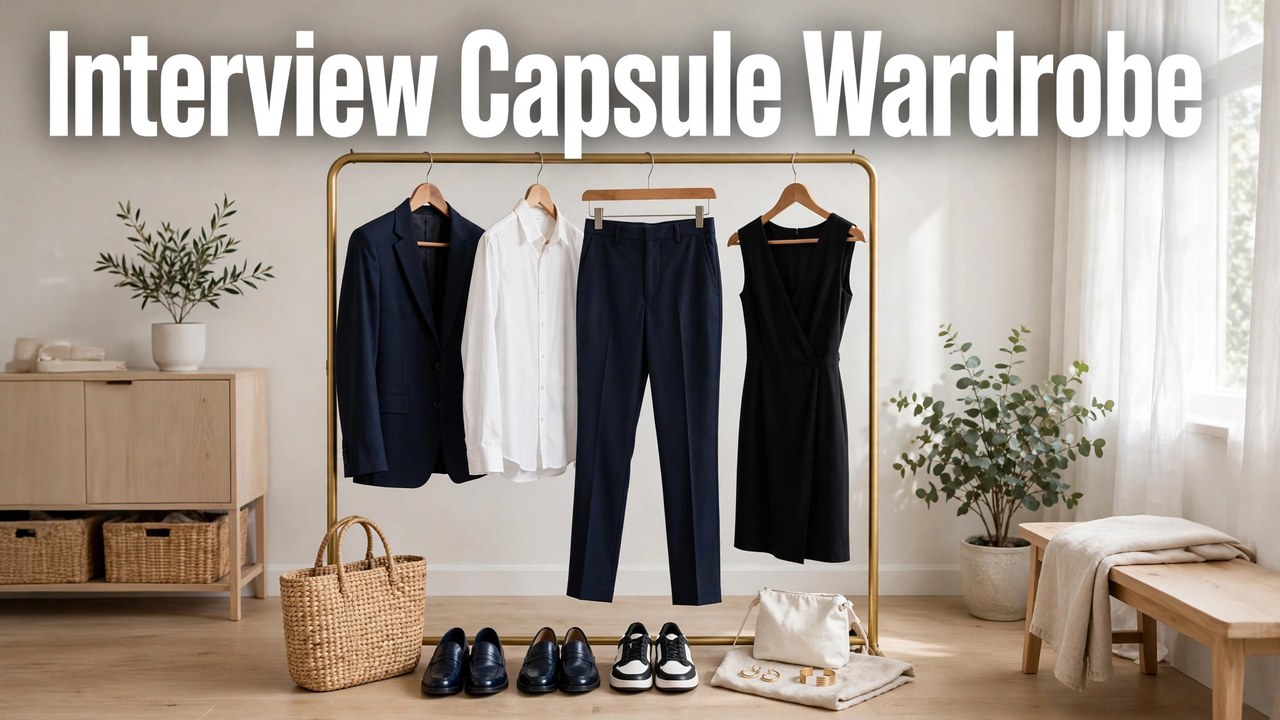
Job Interview Capsule Wardrobe: 9 Pieces, Maximum Polish
An interview outfit has one job: make the conversation about your answers, not your clothes. The capsule approach beats the "one perfect suit" strategy — because interviews come in rounds, on video, on-site, and across seasons, and one outfit can't cover all of that.
The Core Principle: Fit Reads as Expensive
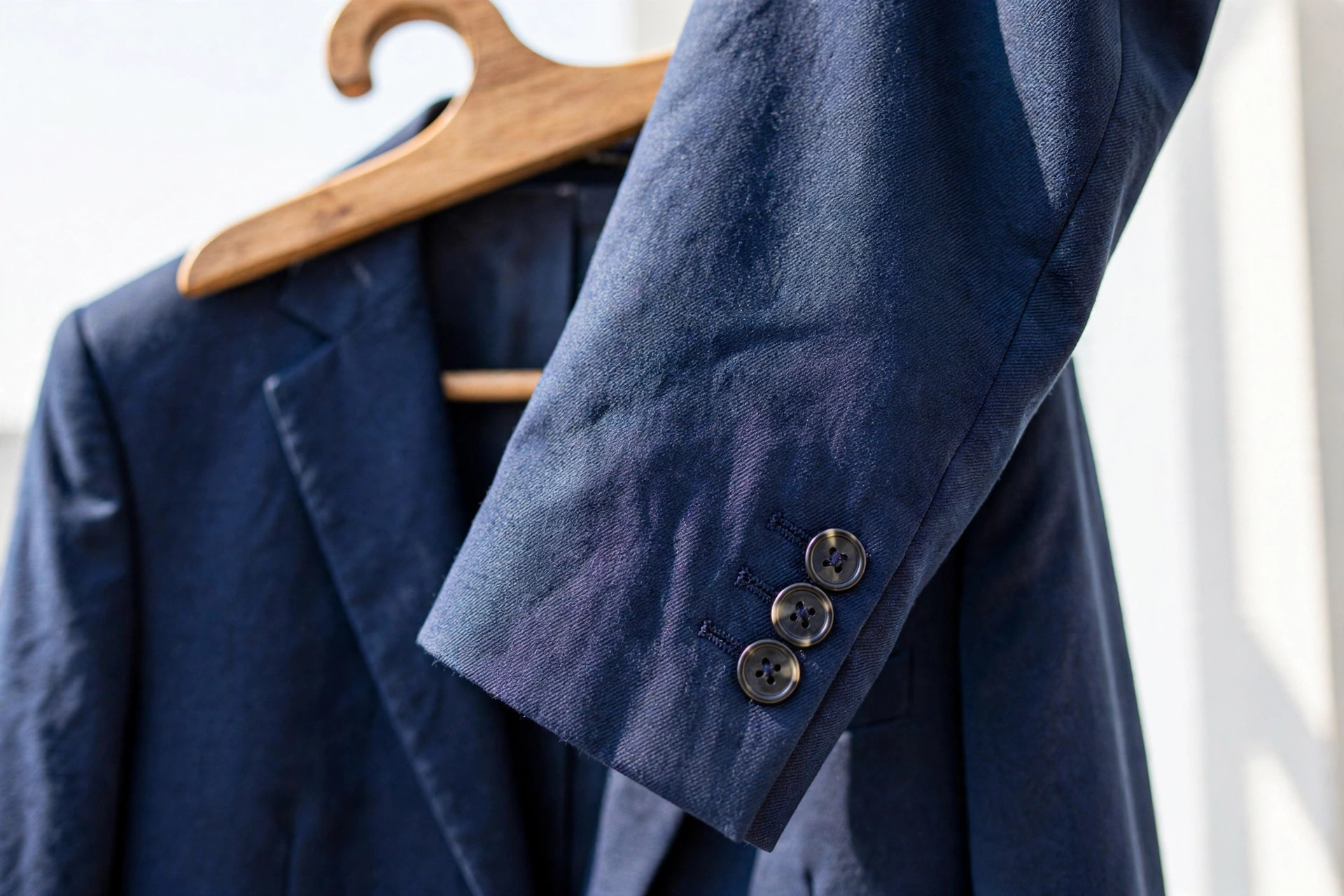
Before the pieces: the single biggest upgrade to any interview wardrobe costs nothing to buy and about fifteen dollars at a tailor. Clothes that fit — sleeves at the wrist bone, trousers breaking once over the shoe, no pulling at buttons — read as polished regardless of price tag. An off-the-rack blazer with ten dollars of sleeve tailoring out-polishes an expensive one worn too long. Budget for one tailoring pass on your two most-worn pieces.
Calibrate to the Industry First
The capsule below assumes business-casual-to-formal, which covers finance, consulting, law, healthcare admin, and most corporate roles. But calibration matters more than any list: for tech and startups, drop the formality one full level (dark jeans can be fine — but make them the nicest dark jeans you own). For creative fields, one intentional statement piece beats full conservatism. When in doubt, check the company's team page photos and dress one notch above what employees wear daily.
The 9 Pieces
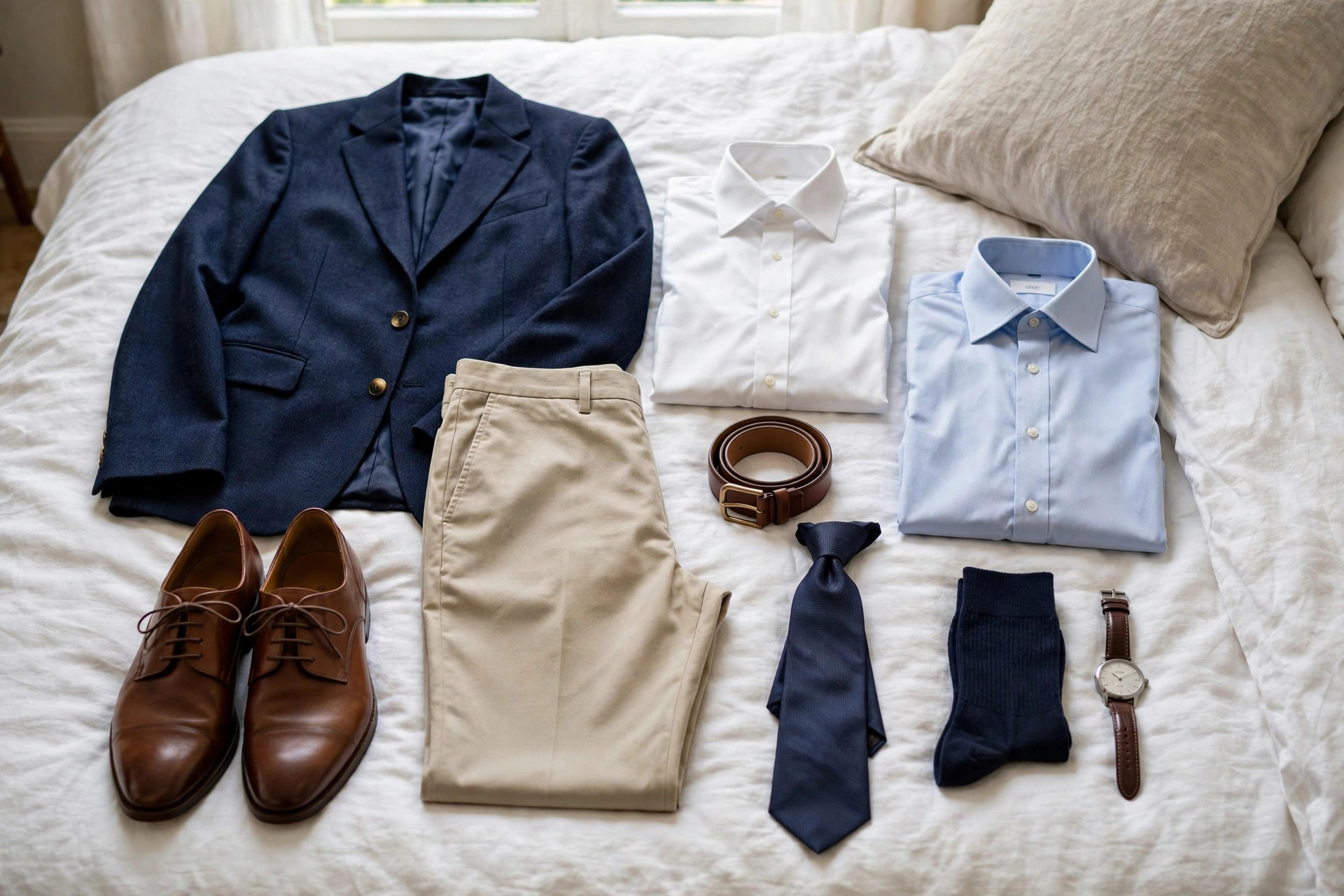
1. The blazer. Navy or charcoal, single-breasted, structured shoulder. This is the workhorse — it sharpens everything underneath it and it's the piece most worth tailoring.
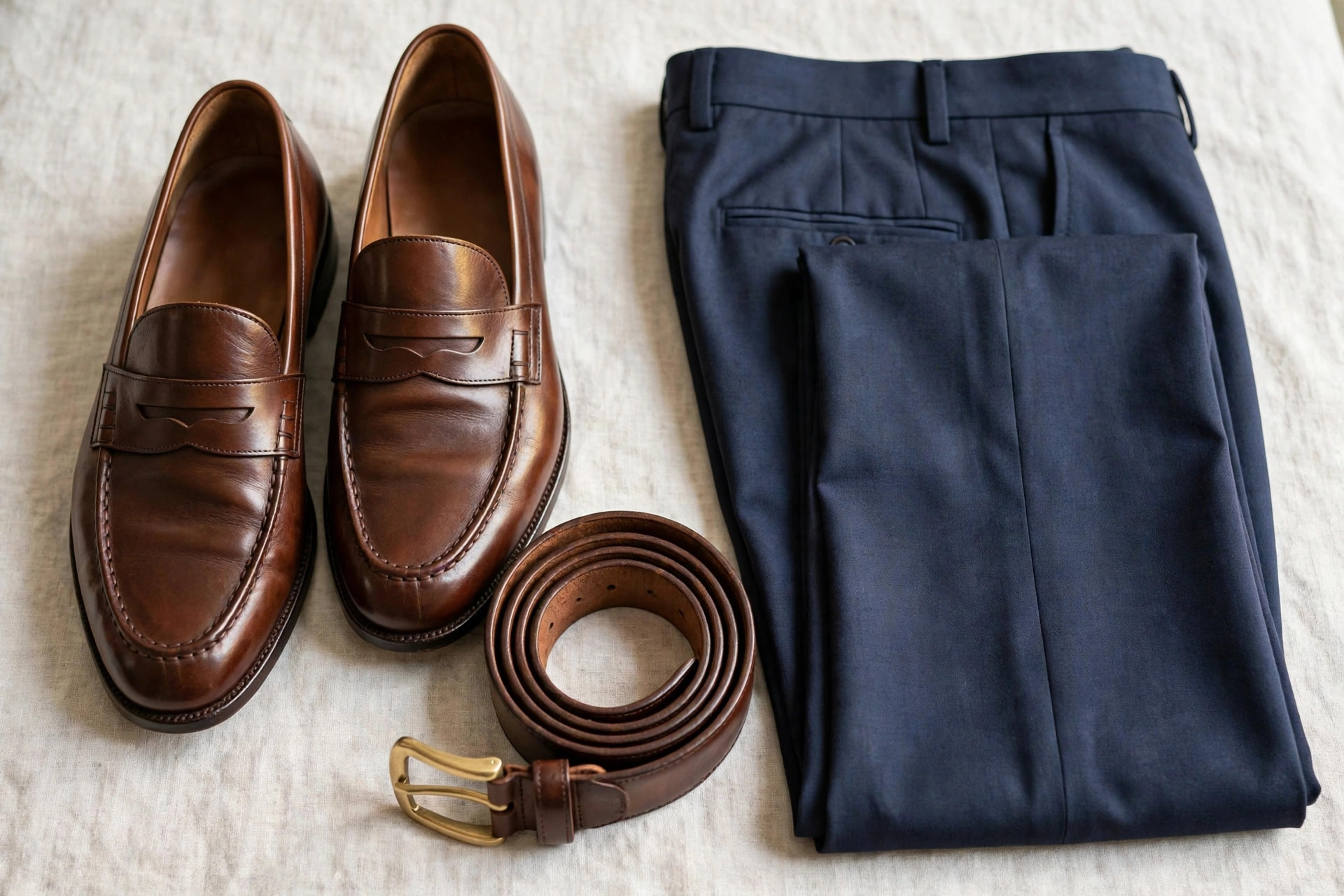
2. Dark tailored trousers. Flat front, mid-rise, in a color that works with the blazer without matching it exactly (a shade lighter or darker reads as intentional; exact-match separates can look like a failed suit).
3. A crisp white shirt. Cotton with some structure, not sheer. Iron it or steam it the night before — a wrinkled white shirt undoes everything else.
4. A second top: light blue shirt or silk-feel blouse. Gives you a day-two option for second rounds without repeating the exact look.
5. A knit polo or fine-gauge sweater. For business-casual interviews and video calls, where a full shirt-and-blazer can read as overdressed. The fine gauge keeps it sharp rather than cozy.
6. Dark jeans (nicest pair you own). For startups and casual industries only — no distressing, no fading, hemmed to your shoes.
7. Closed-toe shoes, polished. Loafers, oxfords, or low block heels. Scuffed shoes are the detail interviewers actually notice; a five-minute polish the night before is the highest-ROI grooming step.
8. A simple belt that matches the shoes. Small detail, big signal. It tells the interviewer you think in complete outfits.
9. A structured bag or portfolio. Not a backpack (unless the industry is truly casual), not a gym bag doing double duty. A clean tote, briefcase, or portfolio that holds a notebook and a pen.
The Video Interview Adjustment
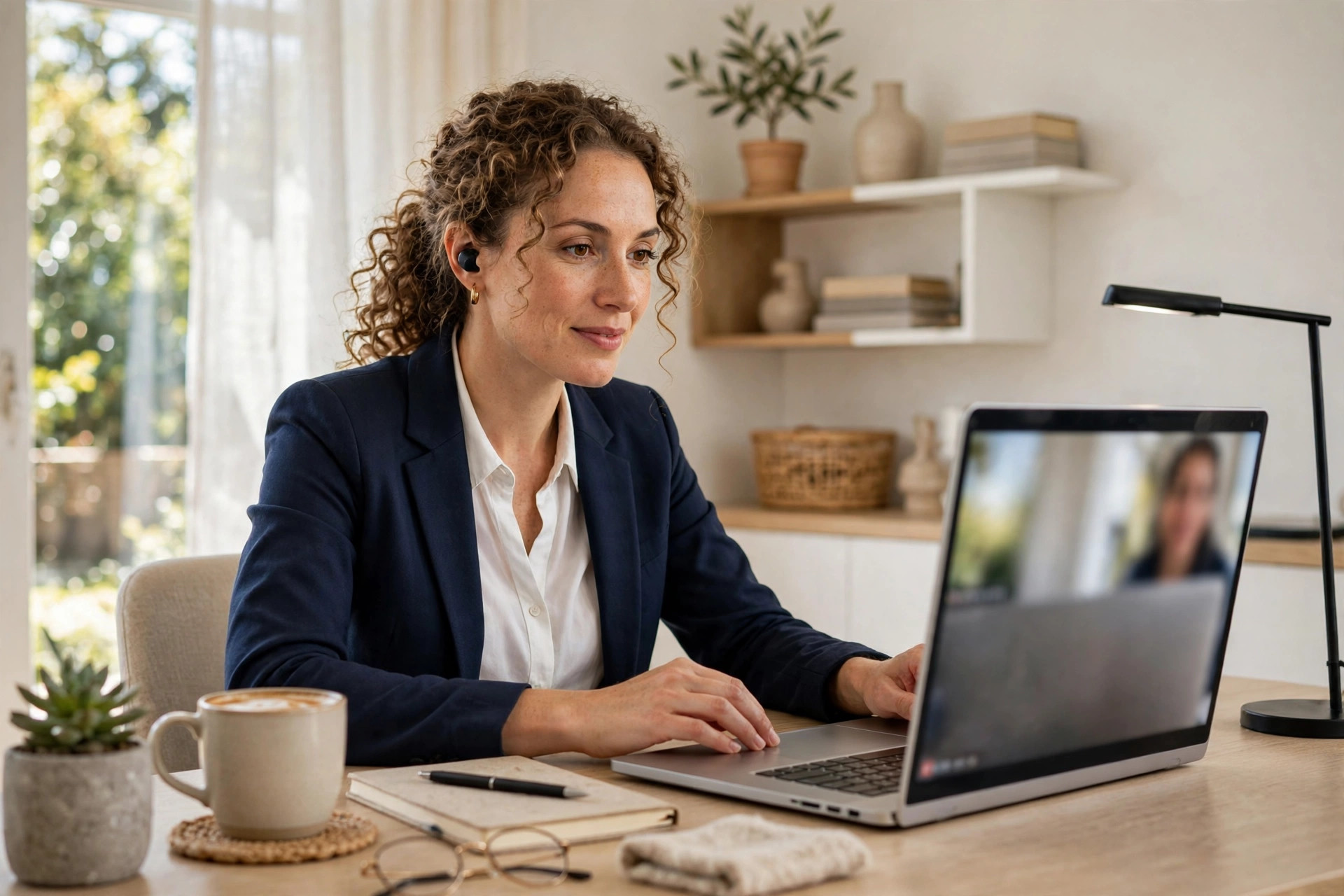
Waist-up dressing is real, but don't half-dress — stand up at some point in every video call and you'll be glad you're complete. What matters on camera: solid colors (patterns moiré on webcam), a collar or neckline with structure (it frames your face), and lighting on your face rather than behind you. The blazer does the most work per pixel of any garment you own.
Grooming Is Part of the Capsule
Clothes are half the polish equation. Clean nails, neat hair, minimal fragrance (interview rooms are small and noses vary), and — the one people forget — clean eyeglasses if you wear them. Smudged lenses in a video interview read as carelessness in a way nothing in your closet can fix.
What to Do Differently
A common first-interview-season mistake: buying a full suit worn twice and a "power" outfit that feels like a costume. The fix: build the capsule around pieces you’d wear again. The blazer becomes your event blazer. The trousers become your nice-dinner trousers. An interview wardrobe that only works for interviews is money spent on anxiety; one that integrates into your life is money spent on confidence.
Building It on a Budget
You don't need to buy all nine pieces new. The priority order if money is tight: blazer first (thrift stores in business districts have excellent ones — check the shoulders and sleeve length, ignore the rest), shoes second (these can't be thrifted well; buy new and polish them), shirt third. Trousers, belt, and bag can all come from thrift or budget retailers without anyone knowing. And the fifteen-dollar tailoring pass I mentioned up top? On a thrifted blazer it's the difference between "secondhand" and "sharp" — it's some of the best-spent money in the whole project.
The Night-Before Checklist
Interview mornings should have zero decisions. The night before: steam or iron the shirt and hang the full outfit together (including the belt threaded through the trousers). Polish the shoes — five minutes. Pack the bag: notebook, two pens, a printed copy of your resume even if they have it digitally, breath mints, and your ID. Check the weather and the route. Lay out grooming items. Every minute of morning panic you eliminate is composure you keep for the actual interview.
Nine pieces, one tailoring appointment, and calibration to the actual industry. That's the whole system — and it covers first rounds, panels, video screens, and the final "meet the team" coffee without a single morning-of panic.
Once the offer lands, the polish shifts to the everyday — this work-from-home capsule wardrobe builds camera-friendly outfits for video calls.
Nine versatile pieces: a navy or charcoal blazer, tailored trousers, a white shirt, a second top, a fine-gauge sweater, dark jeans (for casual industries), polished closed-toe shoes, a matching belt, and a structured bag. Fit matters more than brand.
Two complete outfits covers most interview processes — a primary look and a day-two variation. The capsule approach stretches those into four or five combinations for multi-round processes.
No — calibrate to the industry. Full suits suit finance, law, and consulting; business-casual separates fit most corporate roles; startups and creative fields need one level down. When unsure, dress one notch above the company’s daily standard.
Navy, charcoal, white, and light blue are the safest core — they read as competent across industries and photograph well on video calls. Save bold colors for one intentional accent at most.
Dress fully (you may stand up), favor solid colors over patterns, choose structured necklines that frame your face, and prioritize lighting on your face. The blazer is the highest-impact single piece on camera.