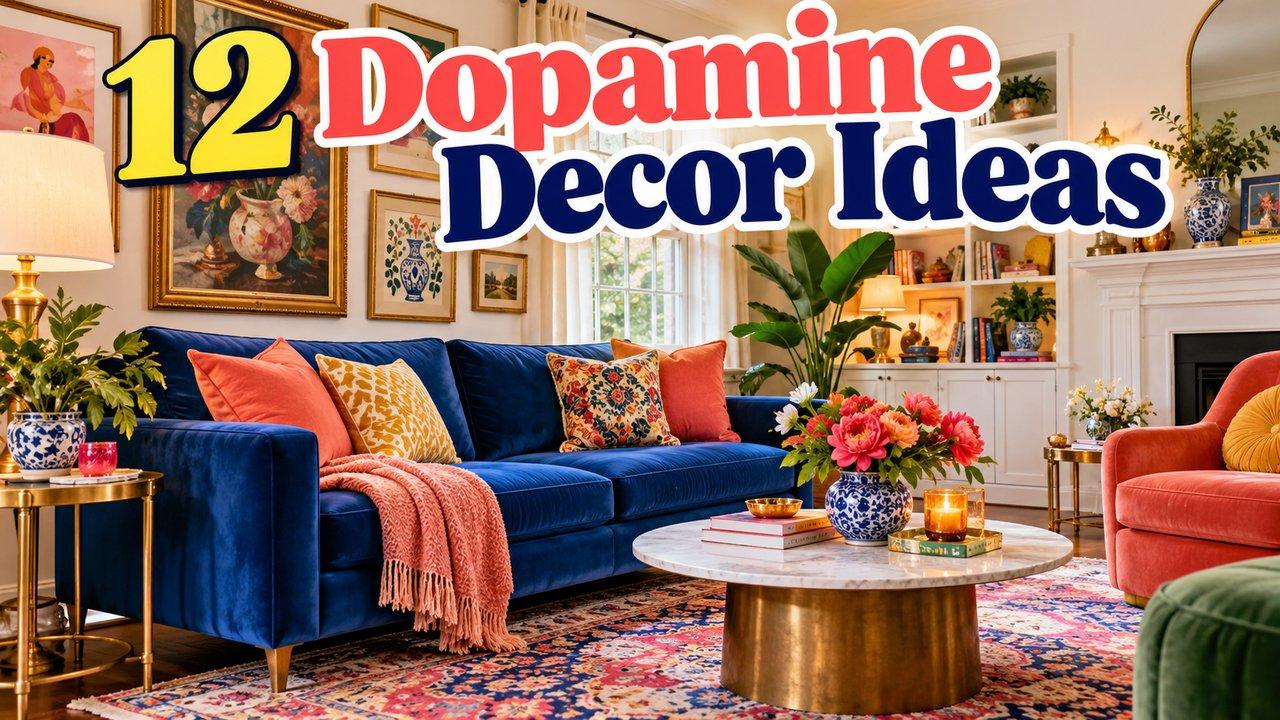
12 Dopamine Decor Ideas for a Colorful Home
Color can change how a room feels. A bold wall, a patterned rug, or a few well-chosen accessories can turn a plain space into one that feels personal and full of life.
The secret isn’t painting everything at once. It’s knowing which colors work together, where to add pattern, and how to balance a bright feature with calmer surroundings.
Dopamine decor is a design approach that uses color, pattern, and personal details to create rooms that feel joyful and expressive. It favors bold choices, layered textures, and objects with character.
This works best for living rooms, bedrooms, home offices, and rentals where you want personality. It won’t help much if you need a completely neutral backdrop or a formal, understated interior.
Why Dopamine Decor Works for Everyday Homes
Colorful rooms can feel welcoming and personal, especially when they reflect your taste. A cobalt-blue accent wall, a coral sofa, or a yellow door can become a signature detail that makes the whole home feel more intentional.
According to trend coverage from Tatler Asia, dopamine decor draws on the maximalist movement of the 2010s, with bold wallpapers, punchy color combinations, and statement pieces taking center stage.
The most useful starting point is one dominant color. Build around it with two or three supporting shades, then add pattern and texture in smaller doses.
What is the 60-30-10 rule for colorful rooms?
A widely used design guideline suggests spending roughly 60% of a room’s color on a dominant shade (walls, large furniture), 30% on a secondary color (upholstery, curtains, rugs), and 10% on an accent (cushions, art, small accessories). It’s a rule of thumb, not a law. The proportions can shift in small rooms, but the principle stays useful: one color leads, others support.
Can dopamine decor work in a rental?
Yes. Peel-and-stick wallpaper, removable decals, colorful textiles, large art prints, and freestanding furniture can create a bold look without permanent changes. Focus on what you can move: rugs, curtains, lighting, and accessories.
Here’s the thing: renters sometimes assume they need to paint to make an impact. A large gallery wall or a vivid area rug can transform a room just as effectively, and you can take both with you.
12 Dopamine Decor Ideas to Try
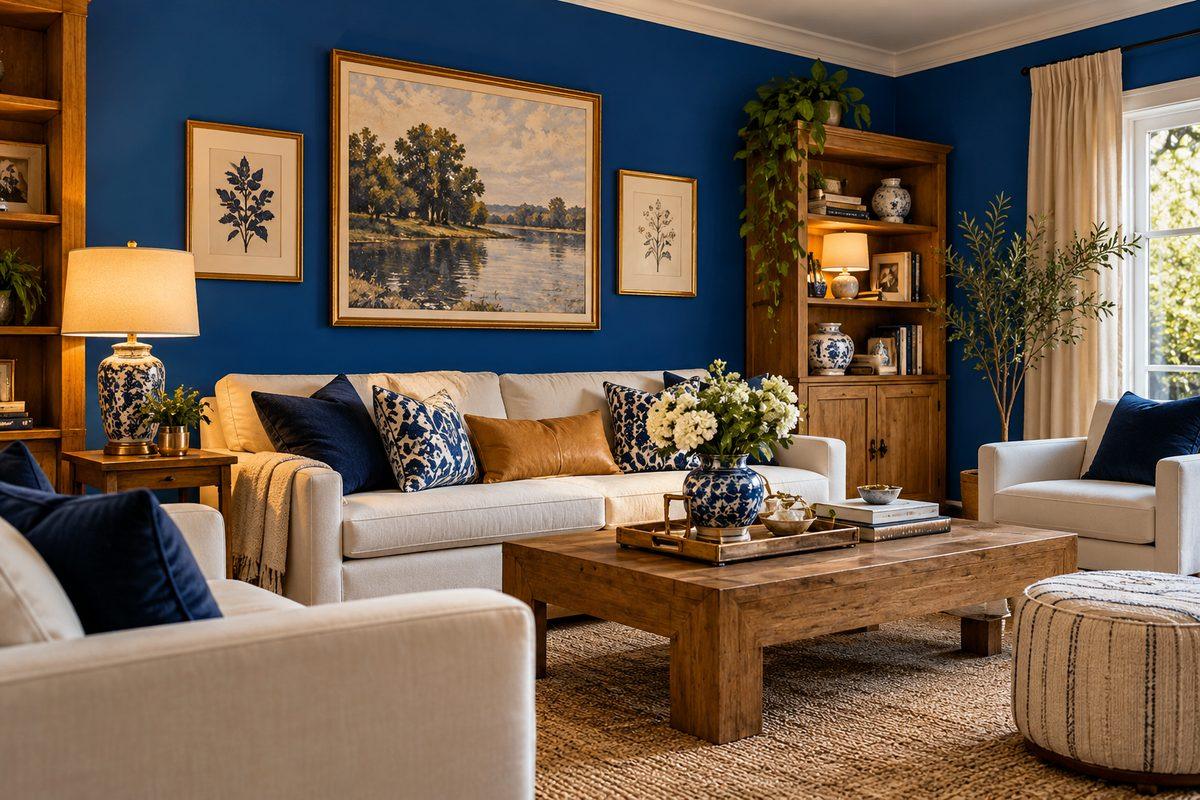
1. Start With a Cobalt-Blue Accent Wall
A deep blue wall can anchor a living room and make other colors pop. Pair it with warm wood, mustard cushions, and a light rug to keep the room feeling balanced.
Test paint samples in different lights before committing. Blue can look richer in daylight and deeper in the evening, so observe the shade at several times of day.
What most guides skip is the undertone. Cobalt blue leans slightly purple, navy leans neutral, and teal leans green. Choose the undertone that works with your existing furniture.
2. Build an Eclectic Gallery Wall
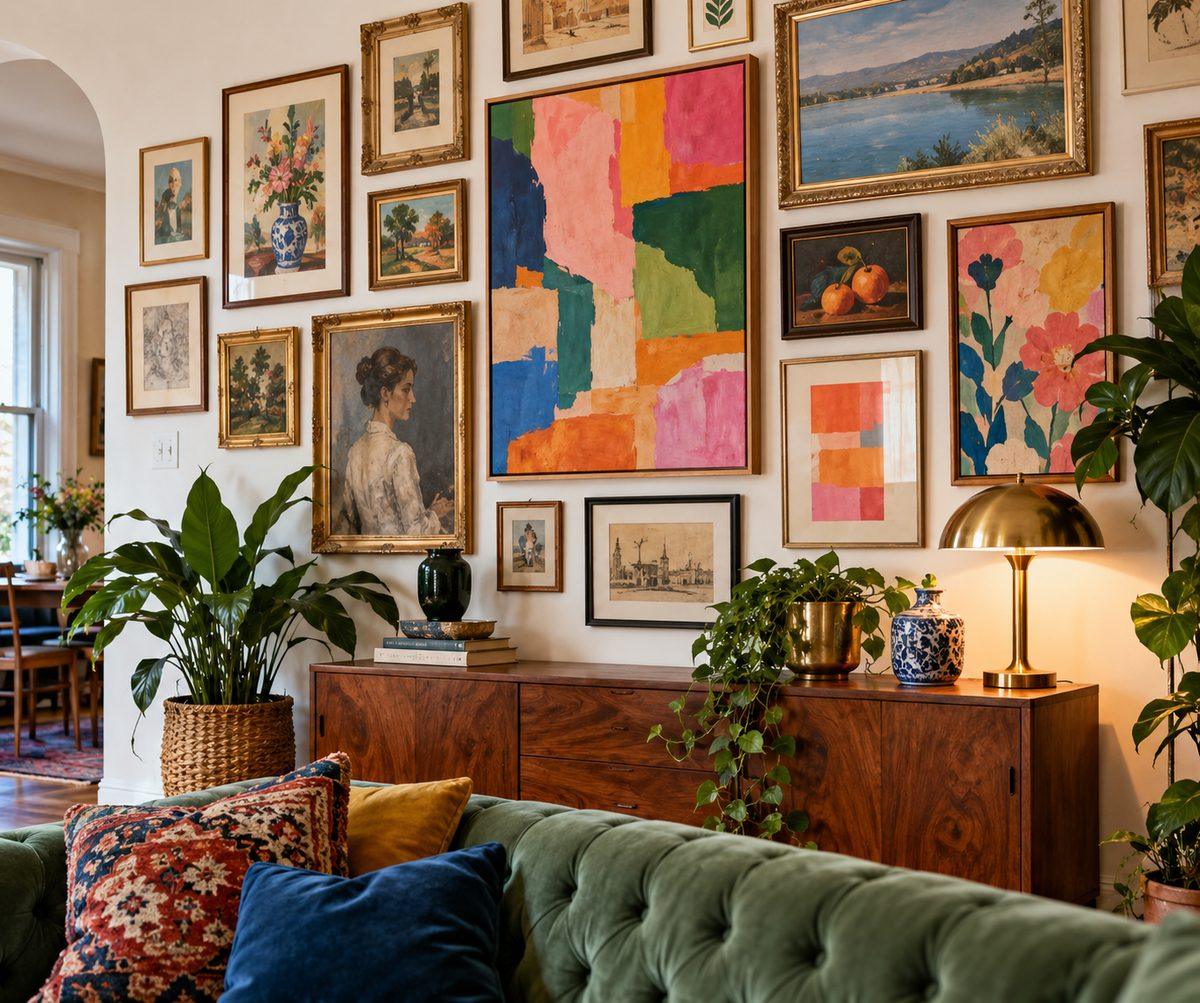
A gallery wall is one of the fastest ways to add personality. Mix framed prints, photographs, and small art objects in different sizes and frames.
Plan the arrangement on the floor first. Keep a consistent gap between frames, and vary the orientation so the composition feels relaxed rather than rigid.
For rentals, use suitable removable hanging products rated for the frame weight. Follow the manufacturer’s instructions and check the wall finish compatibility.
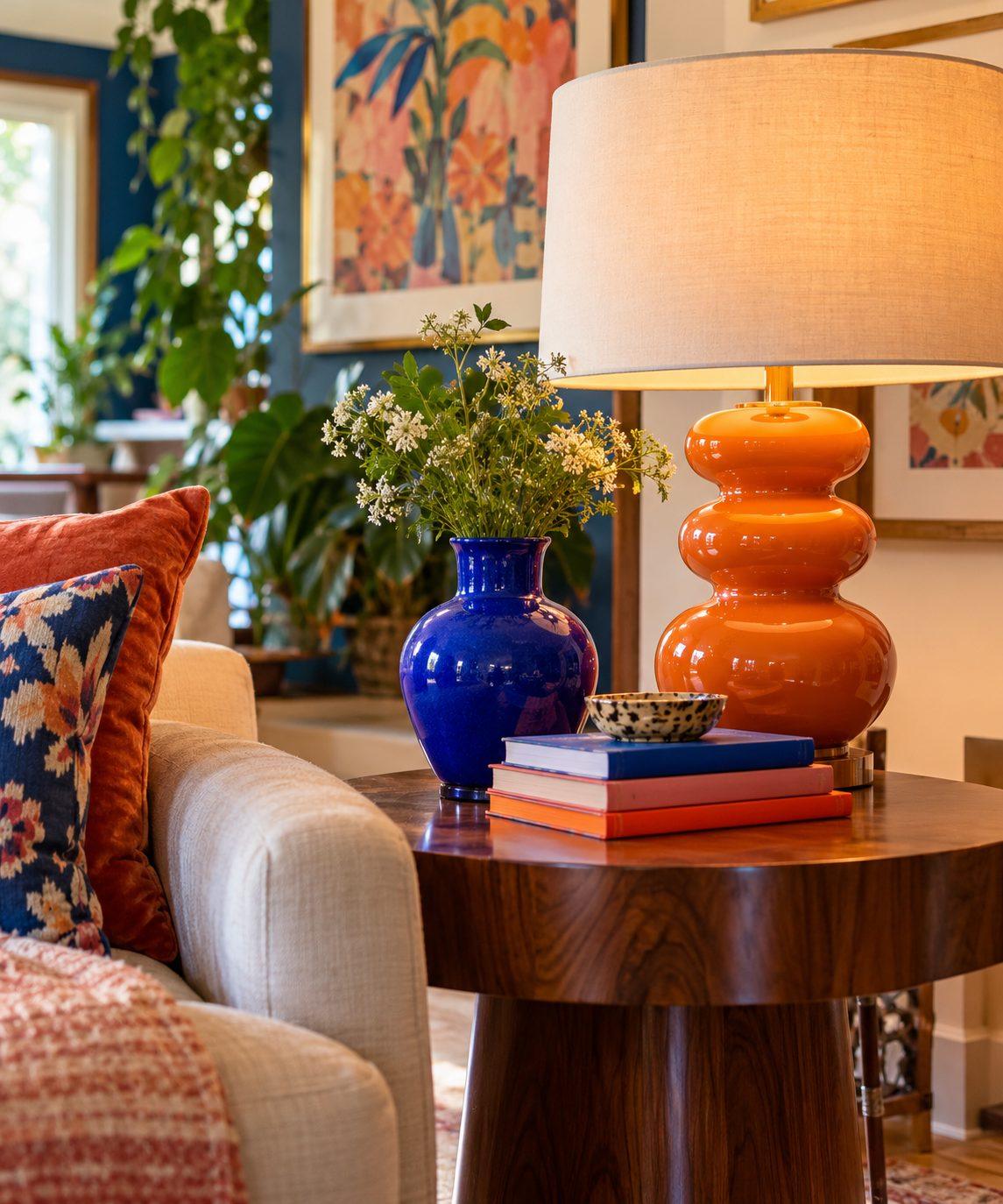
3. Add a Statement Lamp
A sculptural lamp can become the room’s jewelry. Look for an unusual silhouette, a bold color, or an interesting shade that draws the eye.
Place it where it gets noticed: on a side table, a console, or a desk. The lamp’s glow also adds warmth in the evening, which complements the colorful scheme.
Or maybe the better choice is a colorful shade on a simple base. That gives you the same visual impact with an easier fit in the room.
4. Layer Patterned Textiles
Rugs, cushions, and throws are the easiest way to experiment with color. They can be swapped seasonally and moved between rooms.
Combine patterns with different scales: a large-scale rug print, medium-scale cushions, and small-scale throws. Repeat one or two colors across the pieces to keep the mix cohesive.
Quick note: too many competing patterns can make a room feel busy. Let one textile lead and use the others as supporting players.
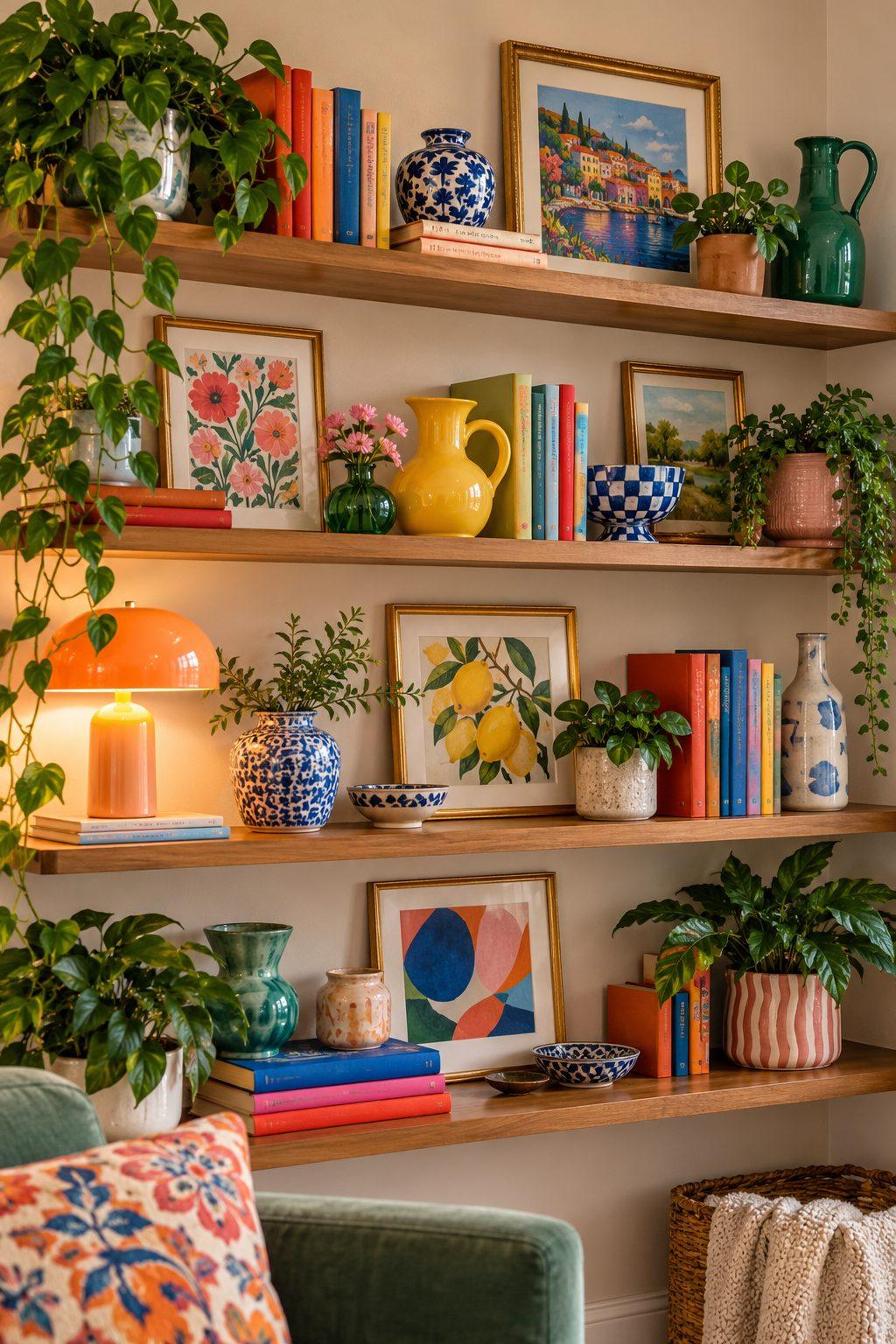
5. Style Open Shelves With Color
Open shelves are a natural canvas for dopamine decor. Arrange books by color, display plants, and add small art objects or vases in bright shades.
Leave some breathing room between groups. A shelf packed edge-to-edge can look cluttered, while a few curated clusters feel intentional.
This idea works especially well in living rooms and home offices where shelves are already a focal point.
6. Paint an Interior Door a Happy Color
A single painted door can add a surprising amount of character. Coral, mustard, teal, or cherry red can turn a plain hallway into a memorable moment.
Use paint suitable for the door material and follow the manufacturer’s preparation instructions. Remove or protect hardware before painting, and allow proper drying time.
For rentals, consider a removable alternative like a large colorful art print on the door instead.
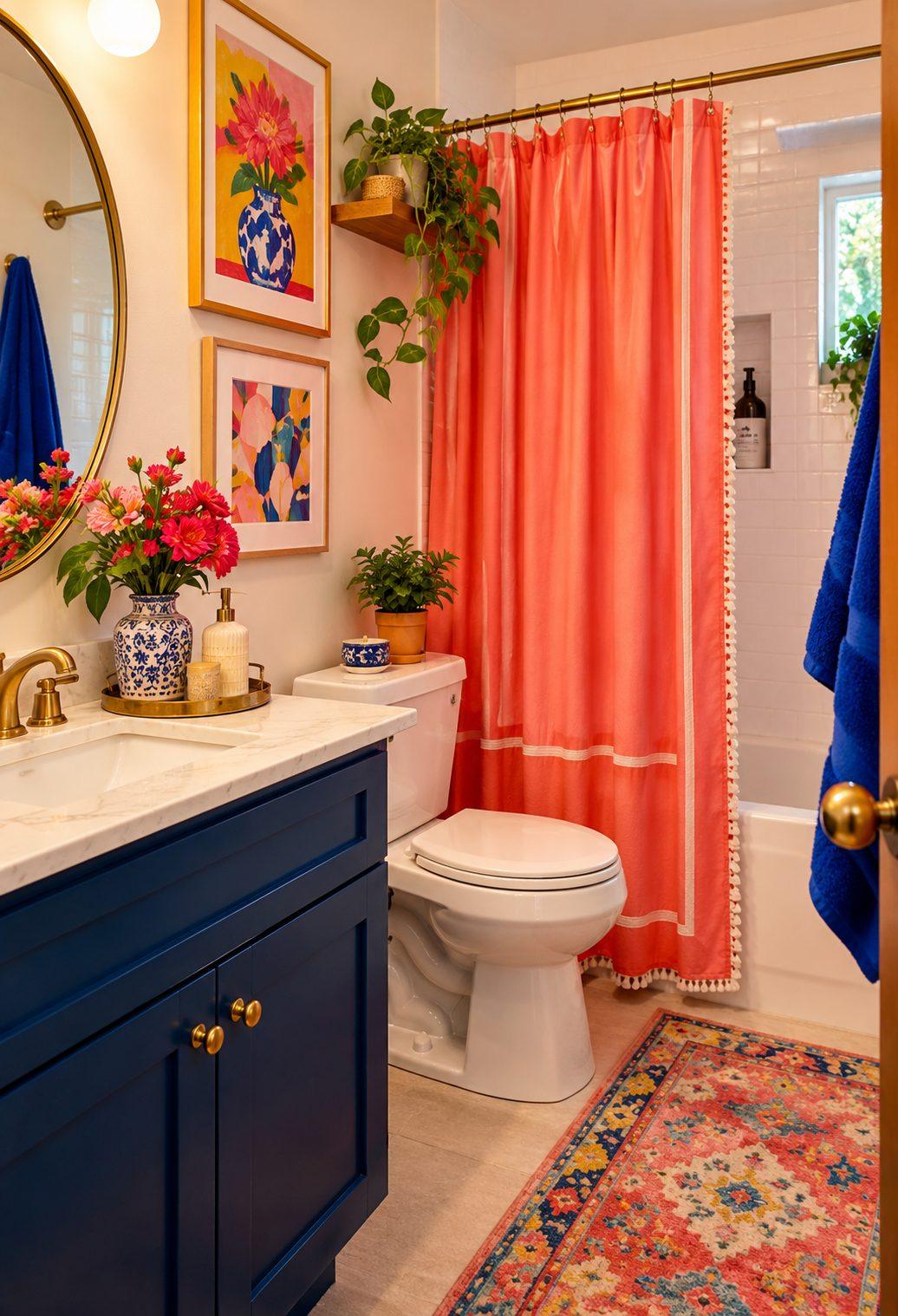
7. Bring Dopamine Decor Into the Bathroom
Small bathrooms are perfect for bold color because the commitment is contained. A colorful shower curtain, bright towels, and a patterned bath mat can transform the space.
See our dopamine decor bathroom guide for 12 room-specific ideas, including moisture-safe styling tips.
Choose washable materials and keep ventilation in mind. Color should make the bathroom more enjoyable, not harder to maintain.
8. Choose One Hero Furniture Piece
A single bold furniture piece can define the room. Think a velvet emerald sofa, a coral armchair, or a sunny yellow bookshelf.
Keep the surrounding pieces calmer so the hero stands out. A neutral rug and walls let one colorful item take center stage without competition.
Most people assume they need several colorful pieces. One confident choice often has more impact.
9. Mix Vintage and New Finds
Thrifted pieces add character that new furniture can’t replicate. A vintage side table, an old mirror with patina, or a retro lamp can ground a colorful scheme.
Pair vintage finds with contemporary basics so the room feels curated rather than dated. One or two retro pieces per room is usually enough.
Check secondhand pieces for stability and condition before buying. A wobbly chair or damaged finish can be more trouble than it’s worth.
10. Use Colorful Lighting Layers
Lighting affects how every color in the room reads. Layer overhead lights, table lamps, and floor lamps to create warmth and depth.
Warm white bulbs (around 2700K) flatter most colorful schemes. Avoid mixing very different color temperatures in one room, which can make colors look inconsistent.
A dimmer switch can be a simple upgrade that changes the whole evening mood.
11. Add Plants for Living Color
Plants bring a different kind of color: living green. They soften hard edges and add texture that paint and fabric can’t provide.
Choose plants that suit your light conditions. A fiddle-leaf fig needs bright indirect light, while a snake plant tolerates lower light and less frequent watering.
Group plants in odd numbers and vary the heights for a natural look.
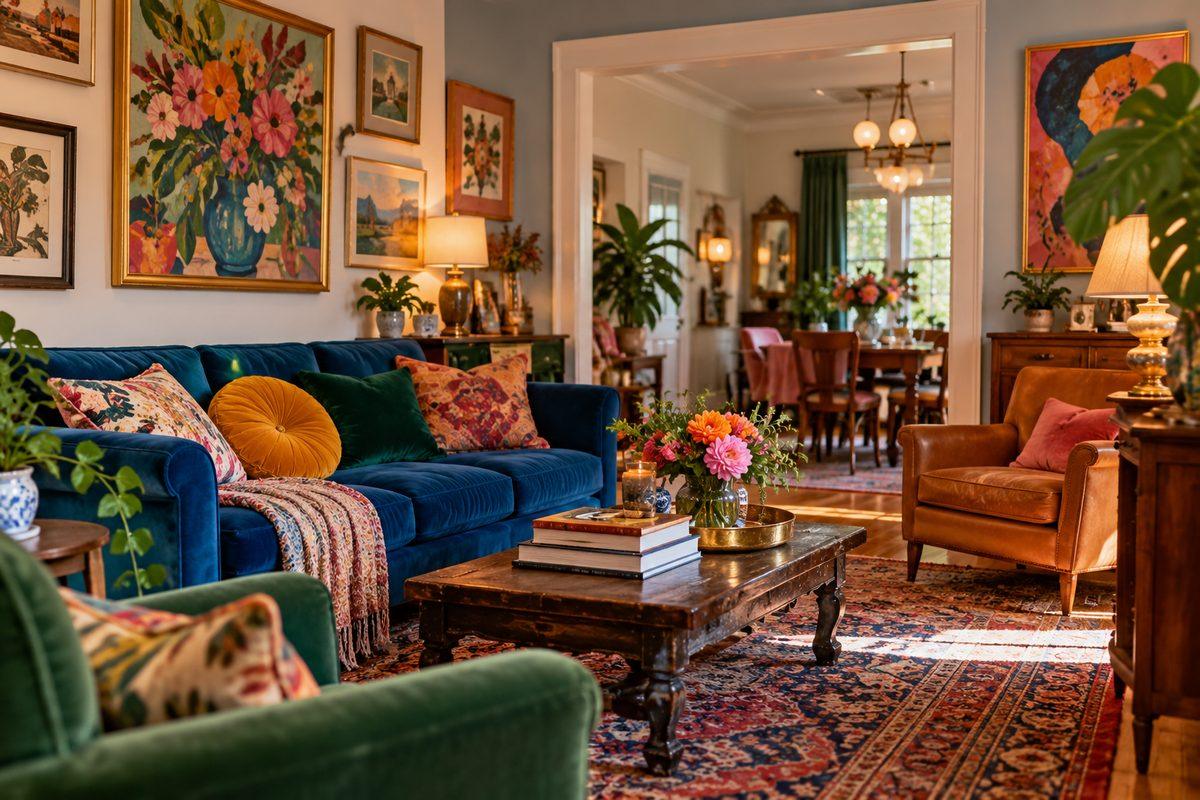
12. Create a Cozy Maximalist Corner
Dedicate one corner to layered comfort: a comfortable chair, a side table, a lamp, a plant, and a stack of books or magazines.
This is the room’s personality distilled into one spot. It doesn’t need to match the rest of the house perfectly. It needs to feel like you.
Start with the chair, then add one element at a time until the corner feels complete but not crowded.
Quick Comparison: Which Dopamine Decor Idea Should You Start With?
| Option | Best For | Key Benefit | Limitation |
|---|---|---|---|
| Accent wall | Homeowners and approved rentals | Strong visual anchor | Requires painting and prep |
| Gallery wall | Renters and beginners | Portable and personal | Needs planning to look cohesive |
| Patterned textiles | Any room, any budget | Easy to swap and move | Needs regular cleaning |
| Hero furniture piece | Living rooms and bedrooms | Defines the room’s character | Higher cost, harder to change |
| Open shelf styling | Homes with existing shelves | Low cost, high impact | Can look cluttered if overfilled |
Which colorful update gives the biggest impact for the least effort?
For most rooms, patterned textiles win: a bold rug and a few cushions can change the feel in an afternoon. A gallery wall is the next easiest, followed by a single painted door or accent wall for those who can paint.
How to Keep a Colorful Home Looking Good
Colorful rooms need a little more editing than neutral ones. The same boldness that makes them joyful can tip into chaos without regular curation.
Follow these practical rules: Edit regularly. Remove one item when you add another. Repeat colors. Let each shade appear at least twice in the room. Vary the scale. Mix large, medium, and small patterns. Leave breathing room. Not every surface needs decoration. Check the light. Colors shift between daylight and evening; test before committing.
One limitation: this guide focuses on decorative color choices. It doesn’t cover structural changes, detailed painting techniques, or specialist restoration work.
Frequently Asked Questions About Dopamine Decor
Q: What is dopamine decor?
A: A design approach that uses bold color, pattern, and personal details to create rooms that feel joyful and expressive. It draws on maximalist influences with statement pieces and layered textures.
Q: How do I start dopamine decor on a budget?
A: Begin with textiles: a colorful rug, cushions, and throws. Add a gallery wall with affordable prints, then layer in thrifted finds and plants.
Q: Can dopamine decor work in a small space?
A: Yes. Choose one bold focal point, repeat its colors in smaller accessories, and keep the layout uncluttered. Small rooms can handle strong color when the palette stays controlled.
Q: What colors work best for dopamine decor?
A: Cobalt blue, coral, mustard, emerald, teal, and cherry red are popular choices. Pick one dominant shade and support it with two or three related colors.
Q: Is dopamine decor just maximalism?
A: They overlap. Dopamine decor borrows maximalism’s love of color and pattern, but it centers on personal joy rather than filling every surface. You can be colorful without being cluttered.
Create a Home That Feels Like You
There’s a persistent myth that colorful rooms can’t be restful. Walk into a well-done one and the myth falls apart — what makes a room chaotic isn’t color, it’s clutter and clashing undertones.
Keep the palette tight and the surfaces edited, and you can go as bold as you like. Joy and calm were never opposites; a room can hold both.