

13 Nurse Scrubs Capsule Essentials for Shift Work
Nursing has the most demanding wardrobe math of any profession: twelve-hour shifts, three to four days a week, bodily fluids as an occupational hazard, and a dress code that still leaves room for personal comfort choices. The capsule approach — a tight rotation of pieces that all work hard — beats the overflowing scrub drawer every time. Here's the system.
The Rotation Logic
Plan for your shift pattern, not your laundry aspirations. Three 12s a week means four scrub sets: three in rotation, one clean buffer for the week laundry runs late. Four sets is the number — fewer and you're doing emergency wash; more and sets sit unworn while favorites get all the miles.
1. Four Scrub Sets in Two Colors
Two colors, not four. A primary color (navy, ceil blue, black — whatever your unit allows) and a secondary. Two colors means undershirts, jackets, and shoes only need to coordinate with two palettes, which halves the supporting wardrobe. Check your facility's color policy first — some units assign colors by role, and that's non-negotiable.
2. The Right Scrub Fit for Your Shift
This is personal and worth getting right: jogger-style vs. traditional drawstring, tailored vs. relaxed. The honest trade-off — joggers look sharper and stay out of the way around equipment, but traditional cuts are more forgiving across a long shift and easier to find in tall/petite sizing. Try both for a full shift before committing to four sets of one style. A fitting-room twirl tells you nothing; hour nine tells you everything.

3. Moisture-Wicking Underscrub Tees (3)
Hospitals run cold and shifts run physical — the underscrub tee manages both. Moisture-wicking fabric (not cotton, which holds sweat) in white, black, or your scrub color. Three tees rotate with your scrub sets. Long-sleeve versions for winter rotations in drafty units.
4. A Warm-Up Jacket in Your Scrub Color
The single most-reached-for layer in nursing. It goes on for the cold unit, comes off for the busy hours, and has the pockets for the phone, pens, and badge. Zip-front beats pullover — you can vent without a full change. This is the piece worth spending a bit more on; cheap warm-ups pill within a month.
5. Compression Socks (4 Pairs Minimum)
Twelve hours on your feet is a circulation event, not just a comfort issue. Graduated compression socks (15–20 mmHg is the common daily-wear range) can make a noticeable difference in end-of-shift leg fatigue. Four pairs minimum — they need a rest day between wears to keep their elasticity, same as the scrubs rotation logic.
6. Dedicated Shift Shoes (One Pair, Replaced on Schedule)
Nursing shoes are equipment, not fashion. One dedicated pair worn only for shifts, with support and a wipeable surface. The part people skip: replacement schedule. Cushioning breaks down around 6–9 months of regular 12s even if the uppers look fine — mark the purchase date inside the tongue. Rotating two pairs extends both, if the budget allows.
7. A Second Pair of Shoes for Commute
Keep the shift shoes at work or in a dedicated bag. Wearing them through parking lots, public transit, and grocery runs tracks everything into the unit and wears them faster. Cheap slip-ons for the commute protect the investment in the real shoes.
8. Badge Reel and ID Holder That Survives
The badge gets scanned dozens of times a shift. A retractable reel with a sturdy clip (not the free orientation one that breaks in week three) and a wipeable ID holder. Small thing, constant friction if it's bad.
9. Pocket Organizer
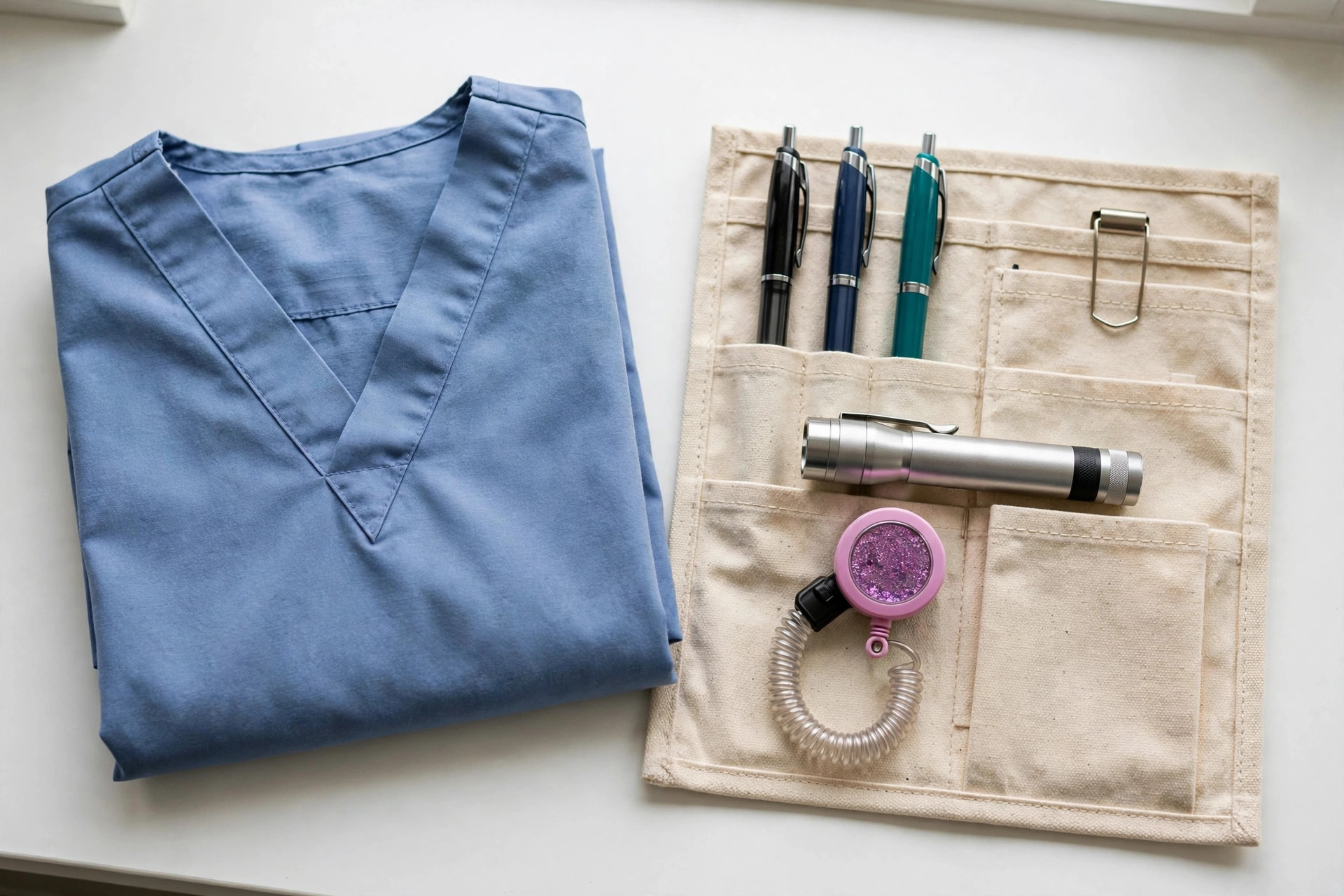
Scrub pockets are deep and unstructured — everything sinks to the bottom. A slim pocket organizer keeps pens, trauma shears, penlight, and lip balm findable without digging. This is the ten-dollar upgrade nurses mention most when asked what they'd tell their new-grad selves.
10. A Large Tote or Backpack for the Shift Bag
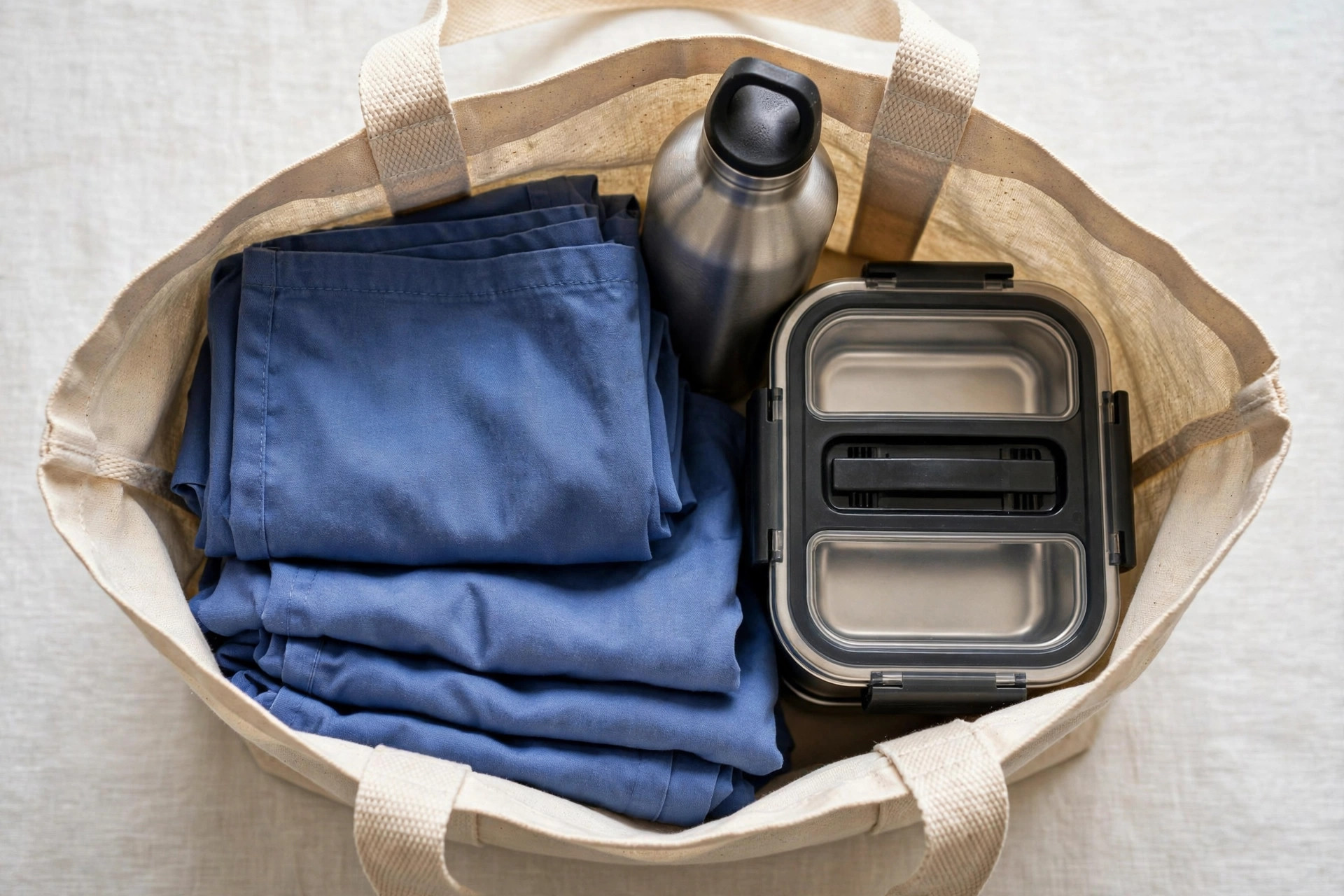
Everything above plus lunch, water bottle, and a change of clothes lives in one bag. It should be wipeable (hospital-adjacent life is messy), big enough to hold shoes, and have a separate compartment or packing cube for worn scrubs coming home. The worn-scrubs separation matters — don't mix them with clean items.

11. Hair Containment That Lasts 12 Hours
Whatever your hair situation: the style has to survive a full shift without redoing. For long hair, that's usually a low bun or braid secured flat (high buns collide with equipment and headrests). Keep spare ties and pins in the pocket organizer — someone always needs one.
12. A Lightweight Scrub Cap (If Applicable)
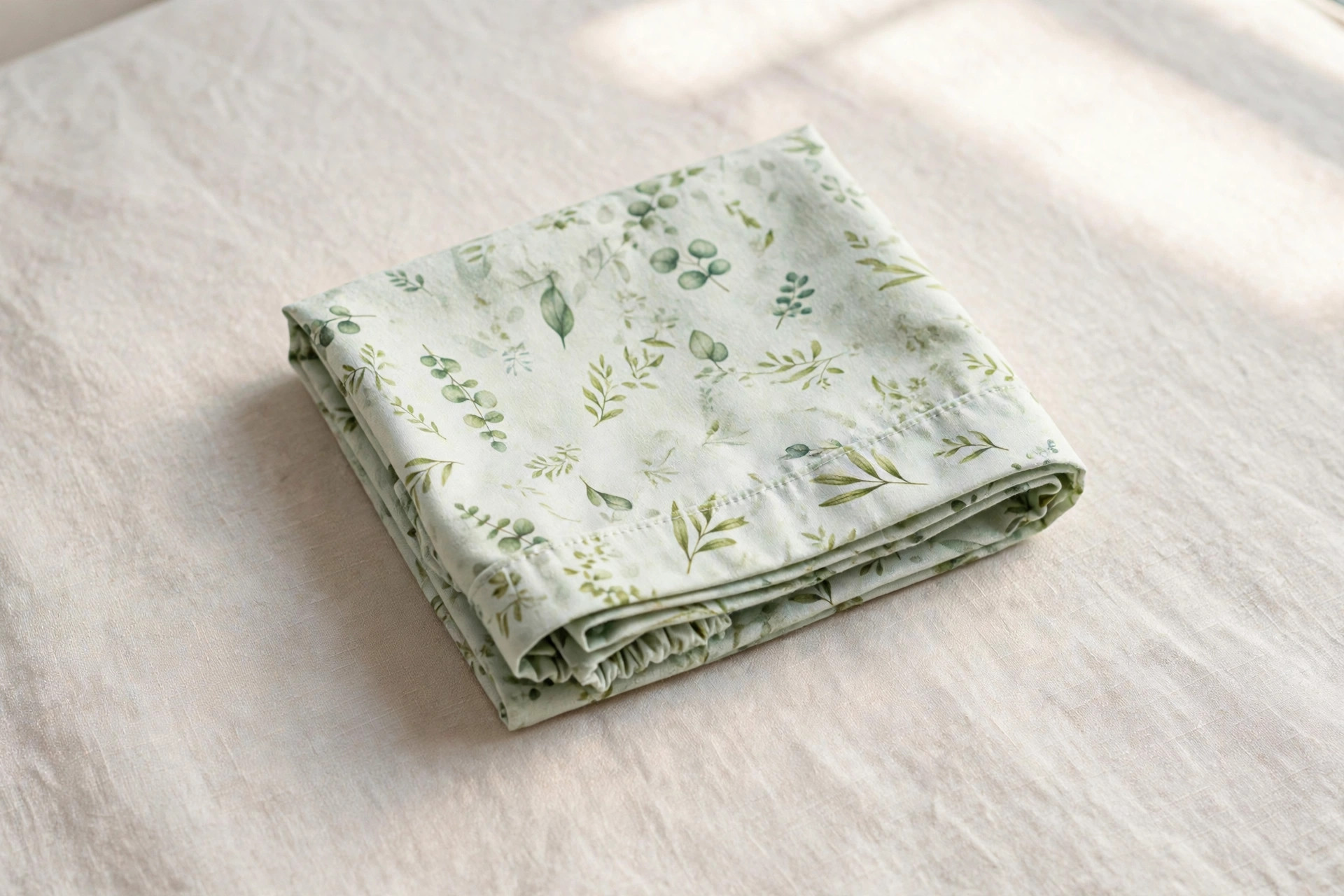
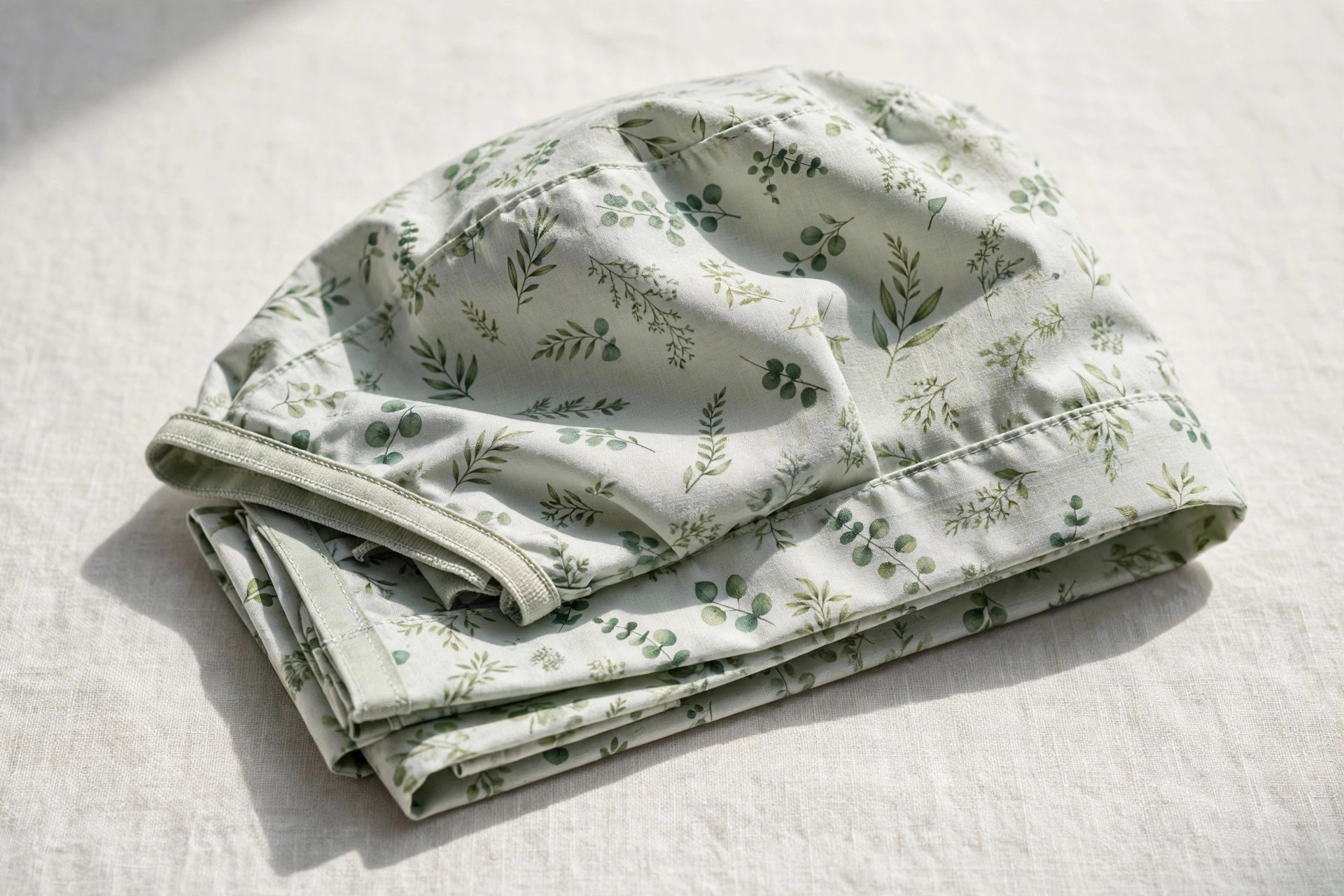
Required in OR, PACU, and many procedural areas; optional elsewhere but useful for keeping hair fully contained on messy shifts. If your unit doesn't require them, one or two in your scrub colors are plenty. The tie-back style fits more head shapes than the bouffant.
13. The Post-Shift Reset Kit
Not worn, but essential to the capsule: a small kit that lives in the car or by the door — hand lotion (hospital soap destroys skin), a spare underscrub tee, and a bag for the day's scrubs. The ritual of changing out of scrubs before entering the house is part hygiene, part psychology. Twelve-hour shifts end at the door, not in the living room.
Thirteen essentials, four scrub sets, one bag. The capsule doesn't make the shifts shorter — but it removes every clothing decision and discomfort you can control, which on a twelve is no small thing.
For three 12-hour shifts a week, four sets: three in rotation plus one clean buffer. In two colors max, so undershirts, jackets, and shoes coordinate without extra pieces.
A minimal, intentional set of work essentials — scrub sets in rotation, underscrub layers, a warm-up jacket, compression socks, dedicated shoes, and shift accessories — where every piece earns its place across 12-hour shifts.
Cushioning typically breaks down after 6–9 months of regular 12-hour shifts, even if the shoes look fine. Mark the purchase date and replace on schedule; rotating two pairs extends the life of both.
They’re strongly recommended for 12-hour shifts — graduated compression (commonly 15–20 mmHg for daily wear) can reduce end-of-shift leg fatigue from prolonged standing. Keep at least four pairs so each gets a rest day between wears.
A moisture-wicking underscrub tee (not cotton, which holds sweat) in white, black, or a matching scrub color. Long sleeves for cold units in winter. Three tees rotate with the scrub sets.