11 Small-Batch Thanksgiving Sides for Two That Actually Scale
Cooking Thanksgiving for two isn't just a smaller version of cooking for twelve. Some dishes halve beautifully, some turn weird, and a couple will punish you for trying. These thanksgiving sides for two are built on tested scaling math —” which pans, which ratios, and the two dishes to never cut in half.
The scaling rules behind these small-batch thanksgiving sides for two
Three rules cover almost everything. First: starches and braised vegetables scale linearly —” halve the ingredients, keep the method, done. Second: anything that depends on surface area (roasts, gratins, cornbread) needs a smaller pan, not just less food, or it spreads thin and dries out. Third: sauces and custards have a floor —” below a certain volume the ratios stop behaving, and you're better off making a small full batch and keeping leftovers.
With that in mind, here are the eleven.
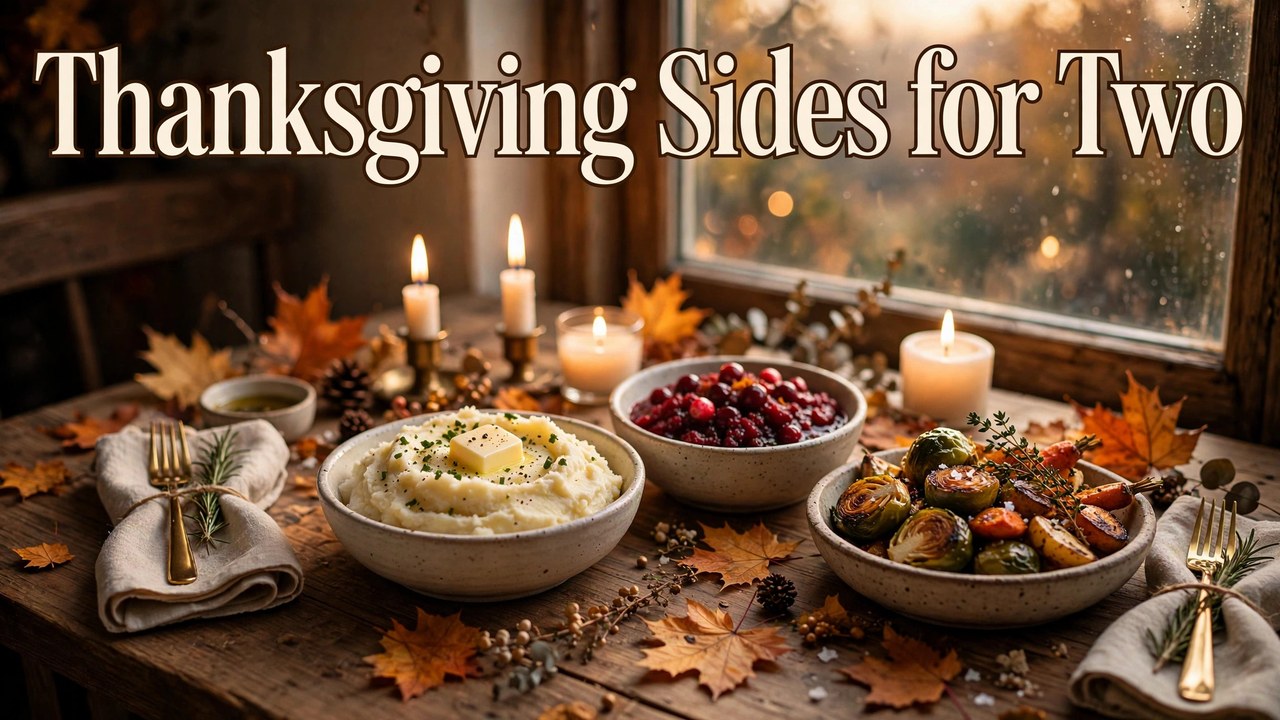
1. Garlic Mashed Potatoes (halves perfectly)
One and a half pounds of Yukon Golds, peeled and quartered, is the sweet spot for two generous servings plus a little left over for Friday sandwiches. Halve everything —” the butter, the warm milk, the roasted garlic —” and the method doesn't change at all. Mash them the same way you always do; potatoes don't know they're in a smaller pot. Reheats beautifully with a splash of milk, which matters because you will have leftovers and you'll be glad.
2. Skillet Stuffing With Sausage and Sage (use a smaller pan)
Halve your usual recipe and bake it in an 8-inch skillet or a loaf pan instead of the big casserole dish. This is rule two in action: the same amount of stuffing spread across a 9×13 would bake into a dry cracker, but piled into a smaller vessel it stays custardy in the middle with crisp edges. Cover with foil for the first 20 minutes, uncover for the last 10. Dried bread cubes are forgiving, so if your halves are a little rough, nobody will know.
3. Roasted Brussels Sprouts With Bacon (halve the quantity, not the time)
Here's the mistake everyone makes: they halve the sprouts and also cut the roasting time. Don't. A single layer of halved sprouts on a quarter-sheet pan still needs 20—“25 minutes at 425°F to caramelize —” fewer sprouts just means they fit without steaming each other. Toss with a tablespoon of oil, salt, and chopped bacon; the bacon fat does half the seasoning work. Start checking at 18 minutes, but expect the full time.
4. Green Bean Casserole for Two (a loaf pan is your friend)
The full recipe's mushroom base halves cleanly —” it's just a ratio. Bake it in a loaf pan or two ramekins instead of the casserole dish so it stays deep enough to bubble properly. The one thing you can't halve is the fried onion topping's crunch time: it still needs its 5 minutes uncovered at the end, same as the big version. Add the onions on the day, always; day-old fried onions are a texture tragedy.
5. Brown Butter Sweet Potato Casserole (halves fine, watch the sugar)
Sweet potatoes are dense and forgiving, so halving is straightforward: two medium sweet potatoes, mashed, in an 8×8 dish. The scaling trap is the topping. Pecan streusel doesn't halve by feel —” actually measure it, because eyeballing half a streusel usually lands you at two-thirds and an overly sweet crust. Brown the butter if you have the patience; it takes three extra minutes and makes the whole thing taste like you tried harder than you did. This one reheats better than almost anything on the list.
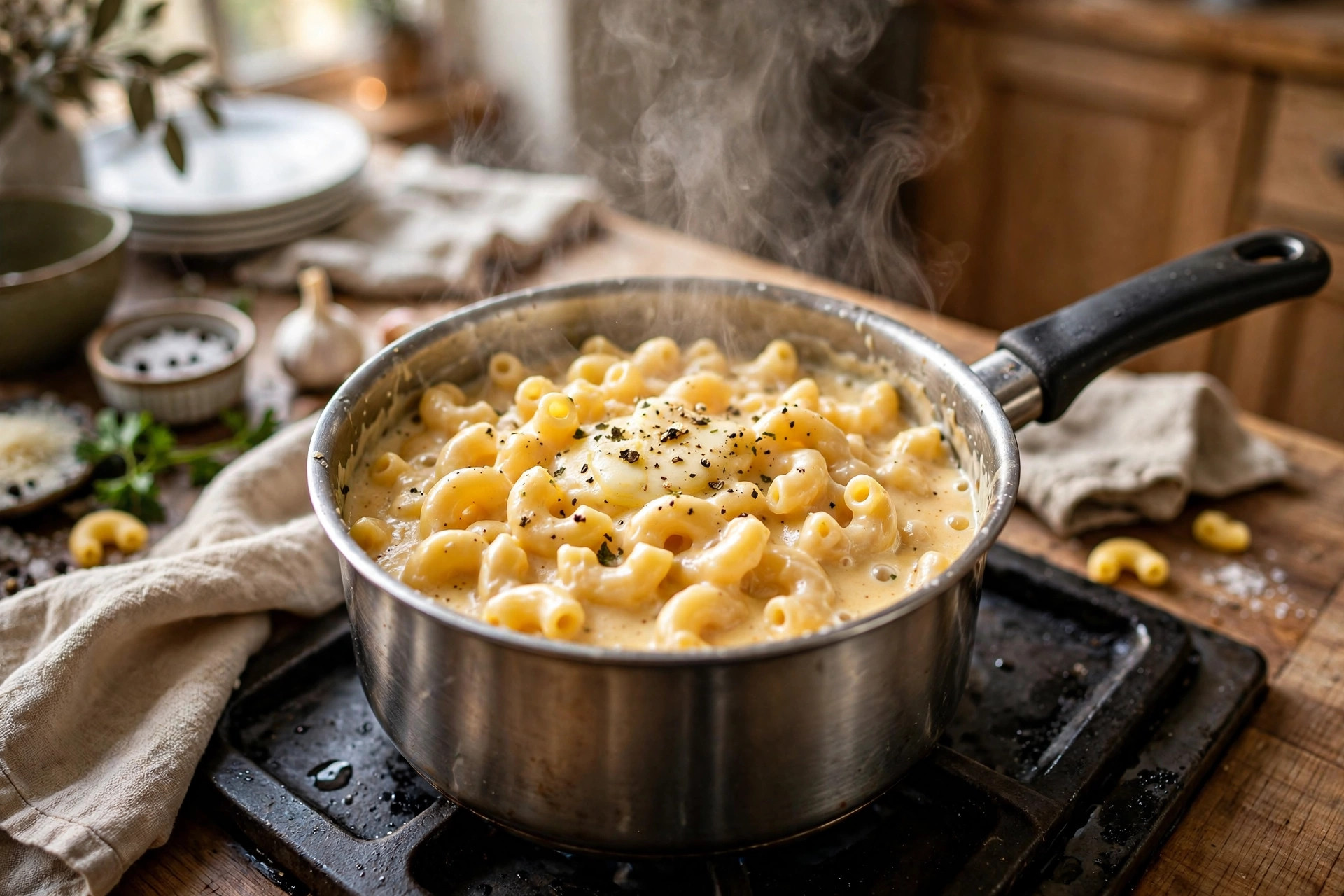
6. Stovetop Mac and Cheese (skip the oven entirely)
For two people, skip the baked version. A small saucepan of cheese sauce —” two tablespoons each of butter and flour, a cup of milk, six ounces of sharp cheddar —” tossed with eight ounces of cooked elbow macaroni feeds two generously. The roux is the only fussy part, and at this volume it's actually easier: less sauce means fewer lumps and faster thickening. Serve it straight from the pan. Baked mac and cheese for two dries out in a big dish; stovetop has no such problem.
7. Small-Batch Cranberry Sauce (pure ratio, hard to get wrong)
One cup of cranberries, half a cup of sugar, half a cup of water or orange juice. That's it —” cranberry sauce is a ratio, not a recipe, and it scales in either direction without thinking. Make it up to five days ahead; it gels better with time and it's one less thing competing for attention on Thursday. Leftover sauce goes on turkey sandwiches, which is arguably the main event anyway.
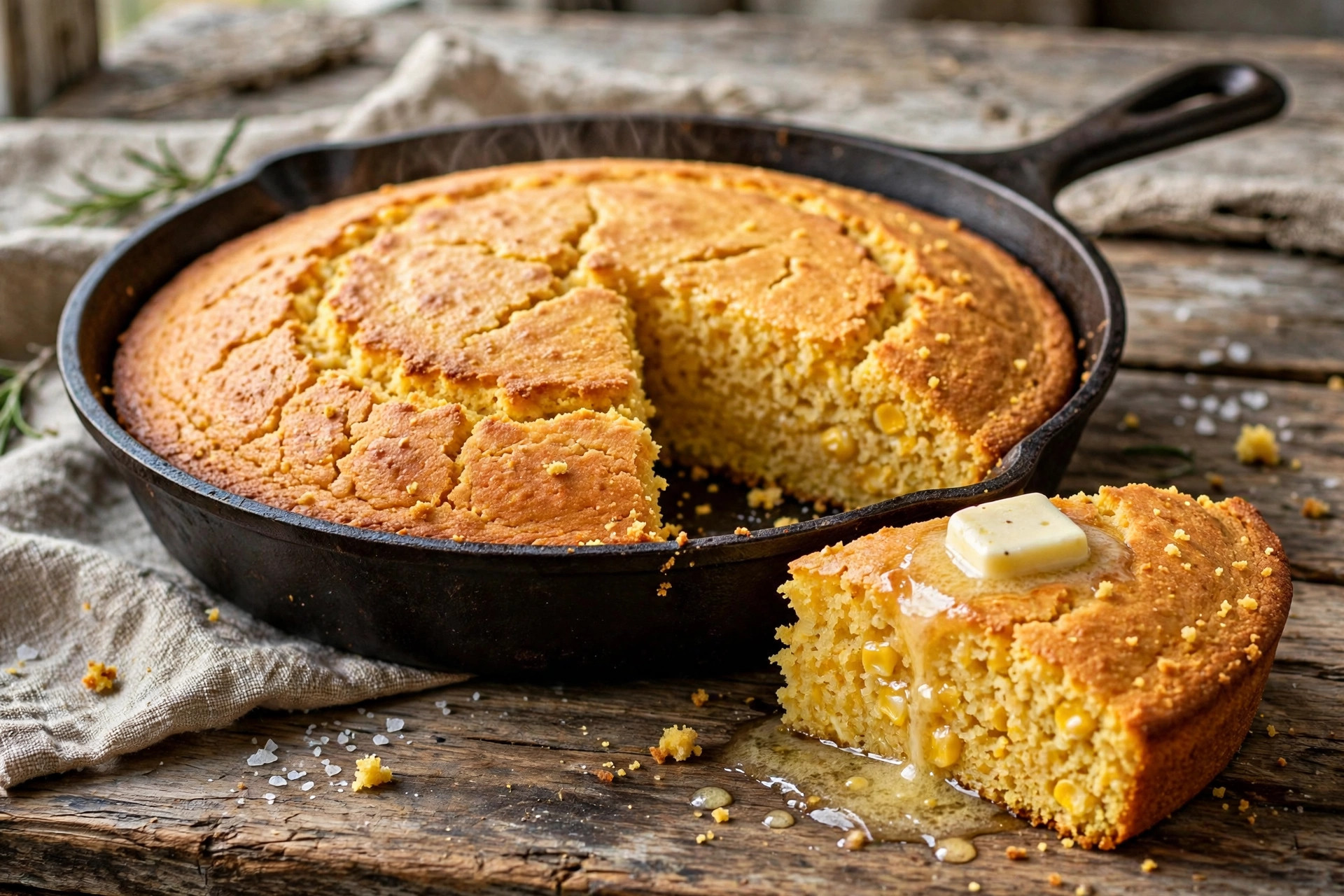
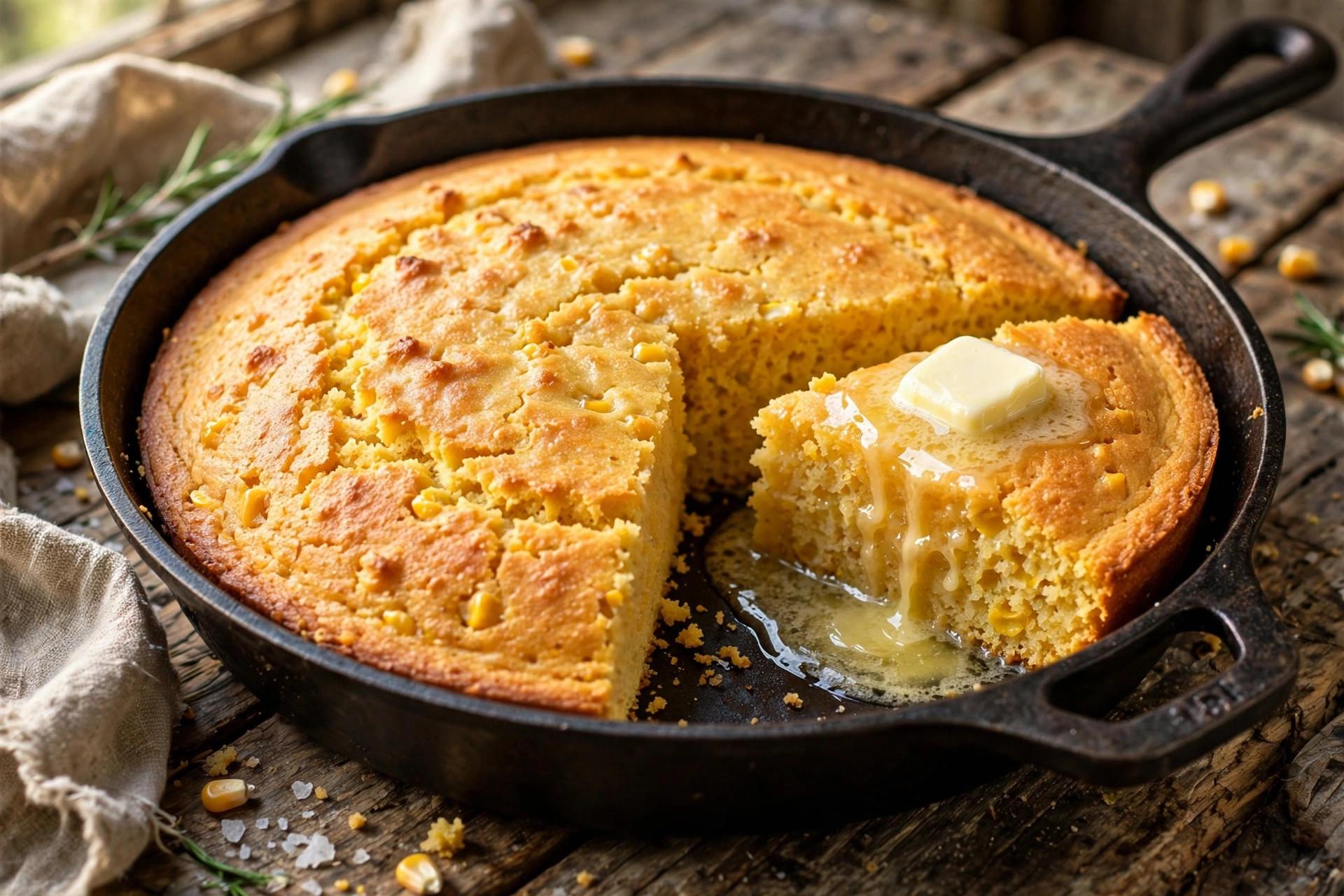
8. Skillet Cornbread (halves cleanly, but check it early)
Half a standard cornbread recipe fits an 8-inch cast iron skillet perfectly. The catch is thickness: a halved batter in a smaller skillet is often a little thinner than the original, so start checking five minutes before the recipe says. Cornbread goes from perfect to dry fast. If your recipe calls for a 9×13, don't just halve the batter and use the same pan —” that's how you get cornbread crackers. Smaller pan, earlier check, done.
9. Honey-Glazed Carrots (scale by eye, they're carrots)
A pound of carrots, peeled and cut on a bias, feeds two with a little left over. Glaze with a tablespoon each of butter and honey plus a pinch of thyme, roasted or done on the stovetop —” both work. This is the most forgiving dish on the list; carrots don't care about precision. If you overshoot the honey, add a squeeze of lemon. Nobody has ever complained about slightly-too-buttery carrots.
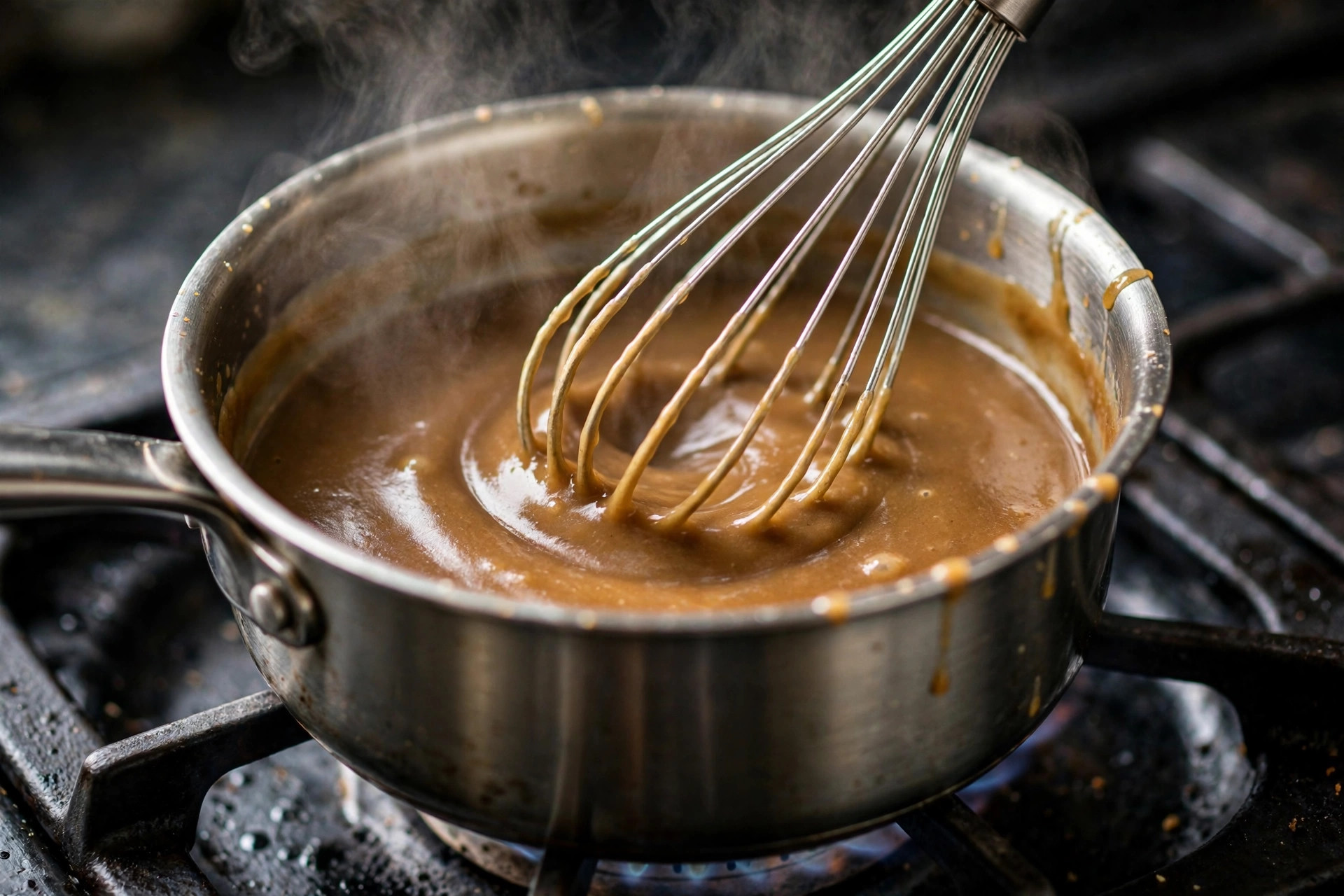
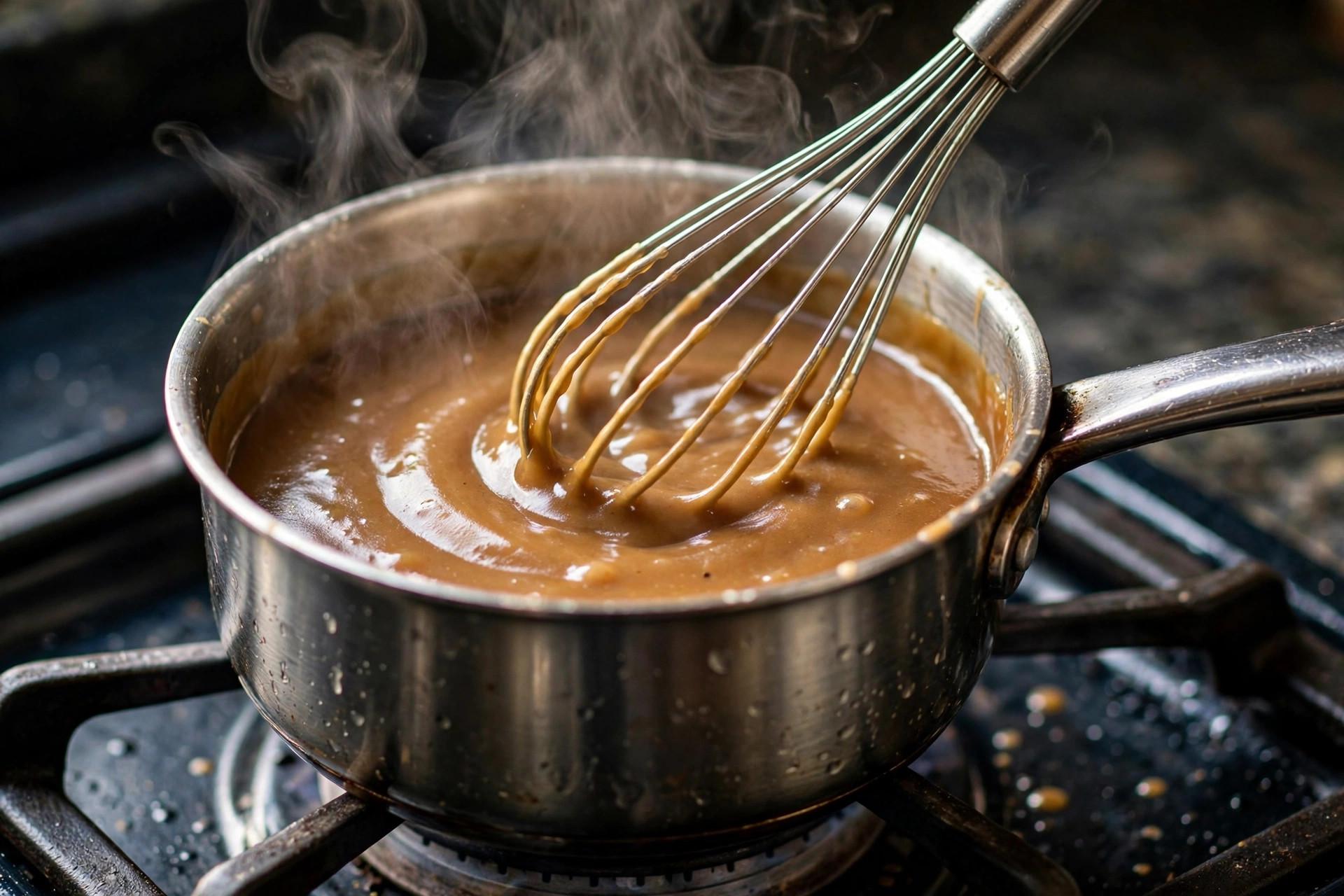
10. Gravy (don't halve it —” make a small full batch)
This is the dish that breaks rule one. Gravy below about a cup and a half gets twitchy: the roux-to-liquid ratio still works on paper, but in practice a tiny volume scorches faster and lumps more. Instead of halving, make a deliberate small batch —” two tablespoons each of butter and flour, whisked with a cup and a half of warm stock —” and plan on leftovers. Leftover gravy reheats fine with a whisk and a splash of stock. Trying to make exactly two servings of gravy is a false economy that risks the one sauce the whole meal depends on.
11. Buttermilk Drop Biscuits (halve the batch, keep the method)
Drop biscuits are the ideal small-batch bread: no kneading, no shaping, no proofing math. Halve a standard recipe to get four to six biscuits, drop them onto a quarter-sheet pan, and bake at 425°F for the normal time —” small batches don't change biscuit timing. Brush with melted butter when they come out. They take 20 minutes start to finish, which means you can make them while the turkey rests. Warm biscuits at a two-person Thanksgiving feel luxurious out of proportion to the effort.
Reheating the leftovers without ruining them
For two people, leftovers aren't a bonus —” they're the plan. Mashed potatoes and sweet potato casserole reheat in the microwave with a splash of milk, covered, stirred halfway. Stuffing and mac and cheese do better in a 350°F oven under foil for 15 minutes; the microwave makes stuffing gummy. Gravy goes in a small saucepan over low heat with a whisk, never the microwave, which heats it unevenly and breaks the emulsion. Brussels sprouts and other roasted vegetables are the exception: they're best eaten cold on a sandwich or quickly re-crisped in a hot skillet, not microwaved into sadness.
That closes out these thanksgiving sides for two. If you're also juggling a small oven, the sequencing matters as much as the scaling —” a full day-of bake order for one small oven is worth reading before Thursday morning. And if the guest list ever grows back to six or eight, the same dishes scale right back up; the math works in both directions.
A small pot of soup also works as a starter — these butternut squash soup recipes scale down easily for two.
Most of them, yes — starches, casseroles, and cranberry sauce halve cleanly. The exceptions are gravy (make a small full batch instead of halving below about a cup and a half) and anything where pan size matters more than quantity, like roasted vegetables and cornbread, which need smaller pans to avoid drying out.
An 8×8-inch baker, a loaf pan, an 8-inch skillet, and a quarter-sheet pan cover nearly everything. The key rule: halve the food, then shrink the pan to match, so dishes stay deep enough to cook properly instead of spreading thin.
Dense sides like mashed potatoes reheat well in the microwave with a splash of milk, covered and stirred halfway. Stuffing and mac and cheese are better in a 350°F oven under foil for about 15 minutes. Reheat gravy gently in a saucepan with a whisk, and re-crisp roasted vegetables in a hot skillet rather than microwaving them.
Cranberry sauce keeps up to five days refrigerated and improves with time. Mashed potatoes and casserole bases can be made one to two days ahead. Biscuits, roasted vegetables, and anything with a crisp topping should be made on the day.
Gravy is the main one — very small volumes scorch and lump, so make a modest full batch and keep the extra. Deep-dish gratins and custards can also misbehave at tiny volumes; stick to the starches, roasts, and ratio-based dishes on this list for the safest results.